 Blog
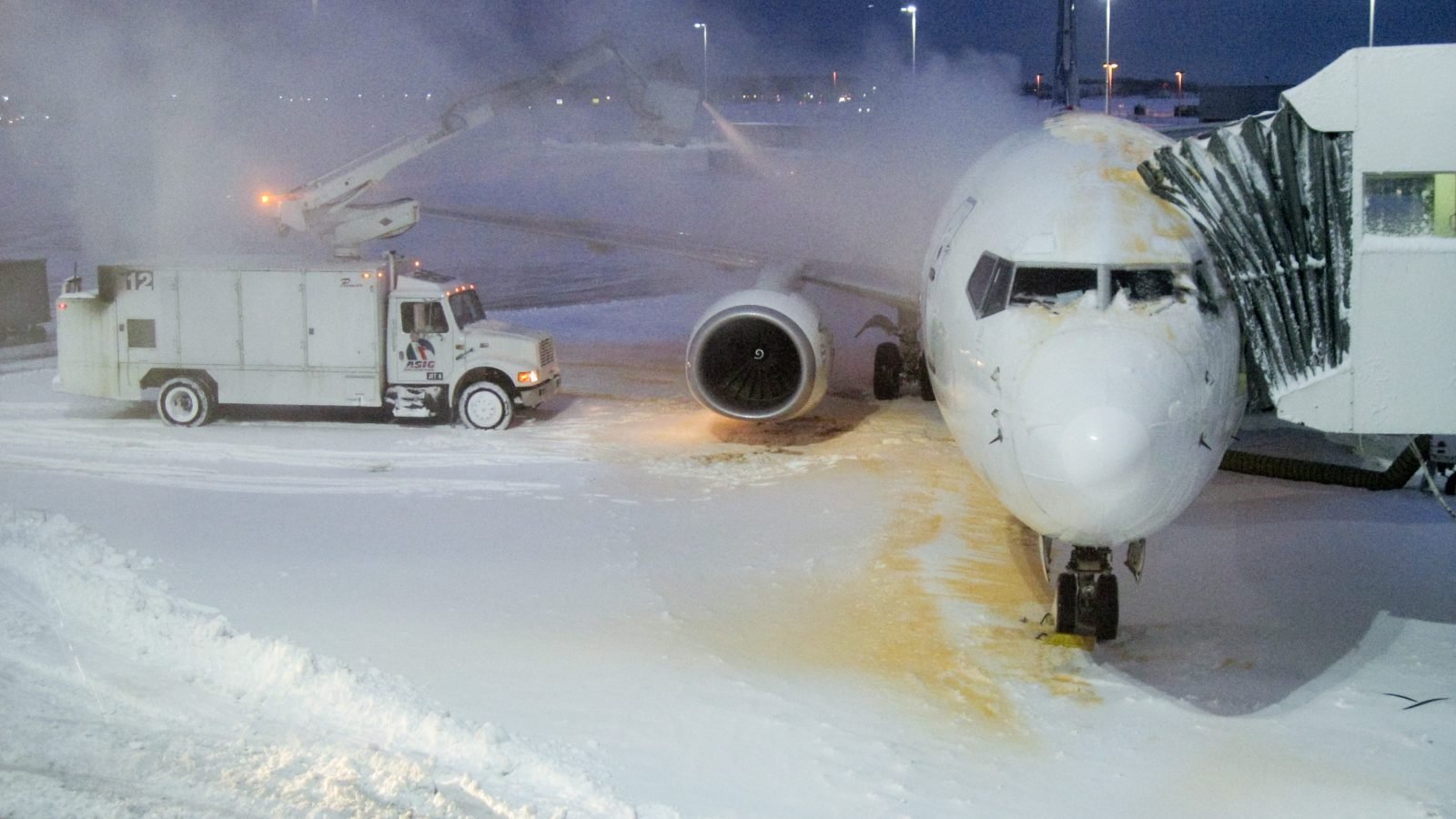
Tabla de Contenidos
Why are flights delayed so often? Before answering, three things are worth saying. Every airline has delays, even the ones rated best in the world; some just manage them better. Every airline also works hard to avoid them. And the main reason is cost: delays are expensive, and airlines run on thin margins. Passenger comfort matters too, but the money matters more.
So if airlines don’t want delays, why do they happen? There are so many possible causes that people who learn how an airline operates are often surprised there aren’t more. Every departure means getting past one, two or three things that could hold the plane: weather, maintenance, air traffic, crew availability, security procedures, disruptive passengers, system failures and more. This article covers weather, the most misunderstood cause, and what you can expect from the airline when it strikes.
Rental Car Insurance in Mexico: what’s mandatory and what’s optional, so there are no surprises at the counter.
Why are flights delayed by weather when the sky is clear?
When the gate agent announces a weather delay, some passengers look out the window, see sunshine and assume they’re being lied to. Others check the forecast at their destination, find it clear and feel just as misled. Unless the problem is obvious, like fog over the departure airport, we tend to doubt it. Yet the weather causing a delay is often nowhere in sight.
Airlines plan every flight around strict safety rules, and the weather at every point of the trip (origin, route, destination and alternate airport) is one of the biggest factors. A storm on the route can force a detour that adds flying time. And the weather slowing your flight may not be on your route at all.
It can be in another country, thousands of miles away. In winter, snowstorms in the northeastern United States can shut down airports and whole cities. Planes stuck there can’t leave for days, and the airline’s whole network feels it, not just flights to and from the affected airports. That’s because no airline keeps idle planes on standby to replace stranded ones: an aircraft represents a huge investment, and leaving some parked just in case isn’t viable.
Say you’re flying from Guadalajara to Hermosillo and your flight is delayed two hours for weather. Hermosillo is sunny, the sky over Guadalajara airport is clear, so what weather? Maybe a downpour closed Mexico City’s airport for a couple of hours that morning and several inbound flights diverted. Even when an airport stays open with conditions barely above minimums, many captains choose to divert to the alternate; they’re the ones responsible for landing safely. If one of those diverted planes was scheduled to fly your Guadalajara to Hermosillo route later, your flight and every other flight on that aircraft that day can run one to three hours late.
Exploring Mexico City? Read about Aztlán Parque Urbano in Chapultepec (in Spanish).
Fewer landings and slower takeoffs
Bad weather also cuts how many planes an airport can handle. Air traffic control sets a minimum spacing between arriving aircraft, and when visibility drops that spacing grows. If an airport normally handles, say, 45 landings an hour and bad weather drops that to 30, the other 15 planes have to hold or divert to alternate airports.
On departure, a common cause in places with harsh winters is de-icing. Wings aren’t immune to freezing temperatures, and ice on their surface has contributed to accidents. Before takeoff, planes are sprayed with a fluid that removes ice and keeps it from forming again for a short time. Even the largest airports don’t have a de-icing truck for every plane, so aircraft wait their turn, sometimes for hours. If a storm then closes operations for half an hour, a plane that was just de-iced may need it again and go back to the end of the line.
Weather affects every kind of travel, but in aviation the knock-on effects are bigger than most people imagine. It doesn’t take a hurricane: light rain at a congested airport at rush hour can delay dozens of flights for hours, or even lead to cancellations.
Your rights when a flight is delayed by weather
Weather is generally treated as outside the airline’s control, so in most cases there’s little compensation to expect. No airline takes responsibility for a missed meeting or a lost deal, least of all when the cause is a storm. At best, the airline will help you find another way to your destination, usually on its own later flights, since most won’t move you to another carrier for a weather delay. It may also let you change your travel date at no charge. Meal vouchers, hotel nights or credit toward a future flight are usually not part of it. Check your airline’s conditions of carriage for the specifics.
It’s small comfort, but you’re not the only one losing out: every delay costs the airline a lot, even when it owes passengers nothing. Weather delays are among those situations where nobody is at fault and nobody wins.
Want the flight to feel shorter? Read our guide on how to get a free upgrade to first class, with practical ways to improve your odds without paying for the ticket.
About Veico Car Rental
Veico is a car rental company committed to its customers. Our rates are all-inclusive, so there are no unpleasant surprises: what you see is what you pay.