 Blog

Tabla de Contenidos
For many travelers, especially those who don’t rent cars often, paying the price shown on the reservation is harder than it should be. Some of the biggest names in the industry have pushed advertised rates so low that the number on their website has little to do with what the customer ends up paying. In most cases that price covers only the car and third-party liability, so the coverage that protects the vehicle itself has to be bought at the counter. Its cost is hard to find out in advance, and it can multiply the original quote three or four times. This guide to rental car insurance in Mexico explains each coverage you will be offered, what it does and which ones are required.
One clarification before we start. When we say a coverage is mandatory or optional, we mean what the law requires. A coverage is optional here if no law demands it, even if in practice a rental company refuses to hand over the keys without it.
Flying into Guadalajara? See our options for car rental at Guadalajara Airport, or read our Guadalajara Airport car rental guide.
Insurance vs. Protection When You Rent a Car in Mexico
This article is called an insurance guide because that is the word most people use. Strictly speaking, most of what you buy at the counter is not insurance. In Mexico, only a company authorized by the government can sell insurance. Rental companies buy insurance policies for their cars, and as owners and payers of the premium they are the only beneficiaries. What they offer you are protections: agreements between the company and the customer that release you from certain liabilities or “share” the benefits of the company’s own policy. The only true insurance a rental customer has is third-party liability, known in the industry as PLI, which is included in the rental price by law. Everything else is a protection.
Renting in Mexico for the first time? Our guide to renting a car in Mexico (in Spanish) covers the whole process.
Third-Party Liability Insurance (PLI)
This insurance covers the driver for property damage and injuries caused to other people. Federal law (Article 63 Bis of the Federal Roads, Bridges and Motor Transportation Act) requires every vehicle on federal highways, roads and bridges to carry it, and some states have their own requirement as well.
Because the law requires it, every rental company includes it in its prices. The catch is that the amount covered is usually the legal minimum. That may be enough if you damage one car, and fall short if you hit several vehicles or someone is injured or killed. If the damage exceeds the coverage, you pay the difference: repairs, plus compensation for injuries or deaths.
Comparing prices on booking sites? These are the reasons not to book your rental car through Kayak (in Spanish).
Additional Liability Insurance (ALI)
Since the legal minimum offered through PLI often falls short, rental companies sell an extension called ALI (Additional Liability Insurance) that raises the coverage limit for an extra charge. Limits vary from company to company. ALI is optional, and nobody at the counter should pressure you into buying it.
Heading to the Caribbean? See our options for car rental in Cancun and get around the coast on your own schedule.
Collision Damage Waiver (CDW)
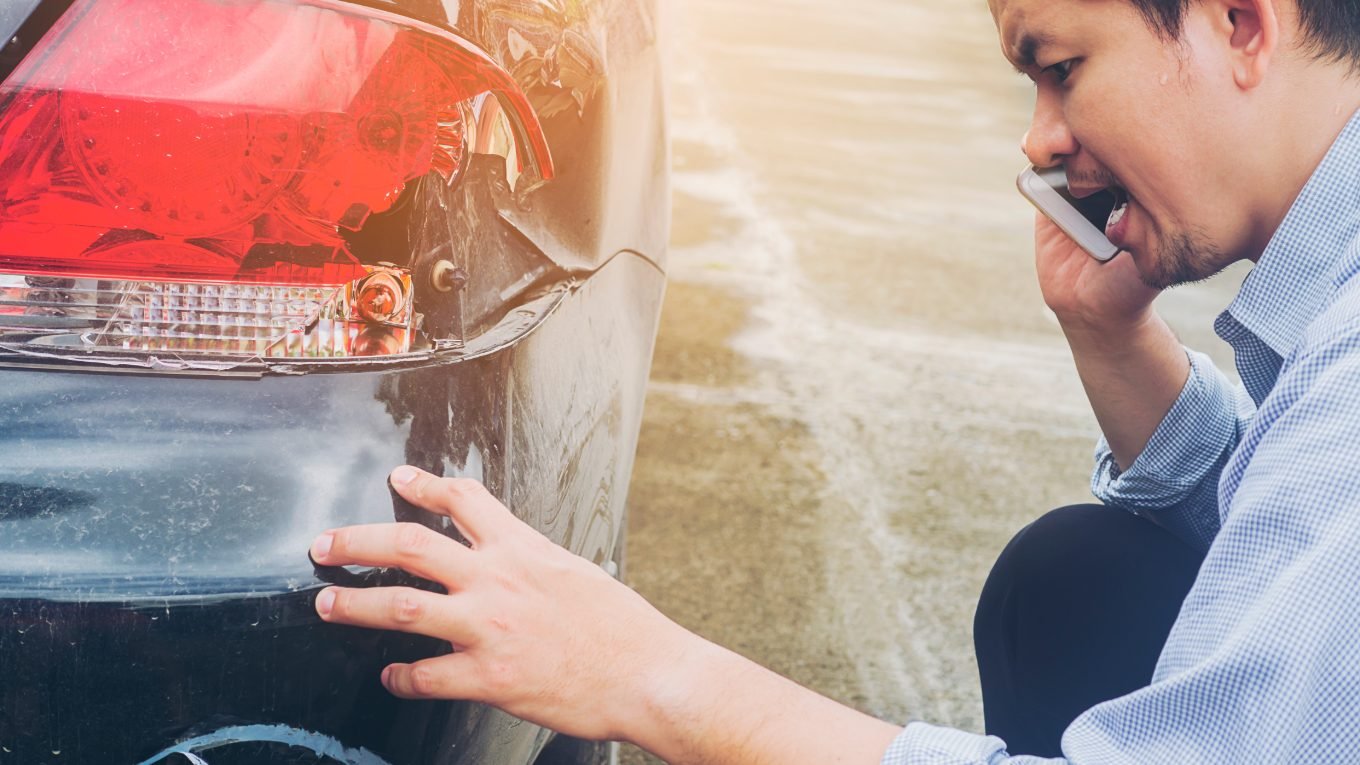
The CDW partly covers damage to the rental car, and you pay a deductible. The usual deductible is 10%, but some companies set it as high as 25%. That lets them advertise the coverage as included in the price while leaving room to sell you an add-on that lowers the deductible.
No law requires a CDW, so most rental companies leave it out of the advertised rate. That doesn’t mean you can drive off without anything protecting the car. Every company wants its vehicles covered, and it is fair for them to ask for it. What rarely happens is letting the customer use a personal policy that covers rental cars, or the rental coverage that some credit cards provide. The usual practice is to make you buy the company’s own protection.
Rental companies give several reasons for refusing outside coverage, and one of them is true: any external coverage works by reimbursement. If the car is damaged, you pay 100% of the repair, it is charged to your credit card and you claim the money back later. To be sure your card can absorb even a total loss, the company has to pre-authorize, or hold, a very large amount.
Keep your coverage valid: read the mistakes that void rental car insurance before your trip.
The reason behind the pressure to buy the company’s CDW and reject outside coverage is simple. Traditional rental companies publish rates so low they barely make money on the rental itself, and they depend on counter sales of protections to turn a profit. Those protections don’t involve issuing a new policy. They are an extra charge to extend to you the benefits of a policy the company already pays for, at no added cost to the company.
In most cases the CDW does not cover glass, tires or wheels. There are separate protections for those parts, described further down.
Avoid surprises at the counter. Read how the rental car deposit works (in Spanish) and check the amounts before you book.
Theft Protection (TP)

TP partly covers theft of the rental car. It usually carries a deductible of 10% of the car’s value at the time of the theft, though it can be higher or lower. Like the CDW, it is generally not included in traditional companies’ rates and no law requires it. In practice, customers are made to buy it from the rental company, and outside policies, including the theft coverage of some credit cards, are turned down.
In most cases, TP does not cover stolen parts.
Before your trip, read about the most common tourist traps and how to avoid them (in Spanish).
Loss Damage Waiver (LDW)
The LDW combines TP and CDW, with one difference: there is no deductible. No law requires it, but traditional rental companies will make you buy something that protects the car, either TP plus CDW or the LDW, and will reject any outside coverage you try to use.
Personal Accident Insurance (PAI)
PAI covers medical and hospital expenses for the driver and passengers up to a set limit. It is generally not included in traditional companies’ rates and no law requires it. Rental companies rarely push it, since TP, CDW and LDW are far more profitable for them. No credit card offers this coverage as a benefit.
Traveling with small children? Read about car seats for babies and kids in Mexico (in Spanish).
Tire and Wheel Protection
This protection releases you from paying for damaged tires and wheels, parts the CDW and LDW usually leave out.
Glass Protection
This one covers damage to windows and the windshield, which the CDW and LDW usually exclude as well.
Roadside Assistance Coverage

Most rental companies include basic roadside assistance in their rates, but it only covers mechanical failures. A flat tire, a dead battery or keys locked inside the car are not included. Roadside assistance coverage adds help for all of those.
Loss of Use Protection
When a rental car is damaged and sits in the shop, the company stops earning money on it. Most contracts include a clause that makes the customer responsible for the damage pay rent for the days the car is out of service. This protection removes that charge. Our article on loss of use charges explains how they are calculated.
Before you book, learn the risks of buying insurance through RentalCars.
Before You Sign: Final Points on Rental Car Insurance
We have used the most common names and acronyms, but each rental company may call its protections something else. The descriptions above are general, and every company has details that can work for or against you. We have said it throughout, and it bears repeating: read the clauses before you sign. It is tedious, and it can save you a lot of money and trouble if something goes wrong.
Reading reviews from past customers helps too. They show how a company actually handles claims. Printing “zero deductible” in large type is easy; the fine print can make it hard to use. Other customers’ experiences are often where those details come out.