 Blog
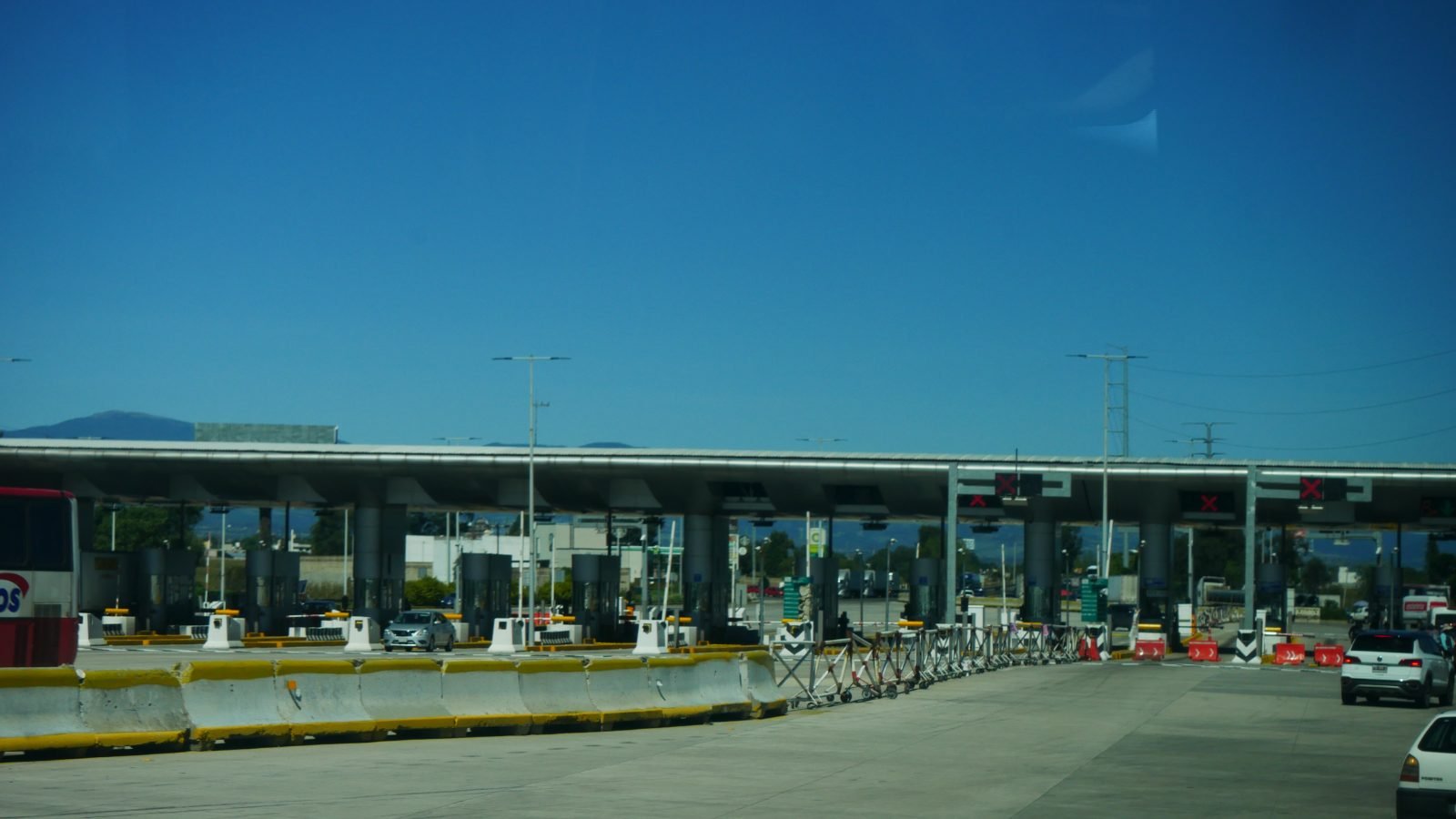
Tabla de Contenidos
It’s vacation time and you’re one of the lucky ones getting out of the city for a few days. You booked the hotel early, packed carefully and even checked the car, because your family’s safety comes first. Everything looks fine. The day arrives, the dog has food and water, the gas is off, doors and windows are locked, the bags go in the trunk and off you go. Before you reach the highway, though, there’s a choice to make about toll roads in Mexico.
What you probably haven’t weighed yet is the route. In Mexico it usually comes down to two choices: the toll road (cuota) or the free federal highway (libre). Many drivers never consider the free road, convinced it’s less safe. The usual reasons for choosing the toll road are:
1. Toll highways are straighter, which should mean less fuel and less time.
2. They’re in better shape overall, with fewer potholes and better signage.
3. Most important for many people, driving on a toll road means you’re covered by insurance.
Toll roads in Mexico: are they always faster?
Those reasons should hold, but in Mexico they don’t always. In rugged terrain, an old free road sometimes cuts straight through ravines while the newer toll highway loops around them, so the libre ends up shorter, curves and all. And on some stretches the toll road has no more lanes than the free one: two, one each way.
Road conditions follow a similar pattern. On many routes there’s no real difference between the paid highway and the free one. That isn’t because federal roads are so good; it’s because a private concession doesn’t guarantee good pavement or extra lanes.
What the toll road insurance actually covers
Then there’s the big argument: “on the toll road you’re insured.” Yes and no. The concession company does carry a policy, as the federal government requires. But that doesn’t make you its main beneficiary. The policy exists largely to protect the highway operator from problems drivers might cause, not the other way around.
Drivers who have had an incident on a toll road often find that both the operator and its insurer work hard to avoid paying a claim. Coverage tends to be narrow. You can understand why they won’t pay for flooding from heavy rain or other weather, but claims for damage from debris on the road, missing signage, broken pipes or a dam release are also often disputed. And beyond not covering your car, you may be billed for any damage you caused to the highway.
None of this means toll roads aren’t generally safer than free highways. They are, but not by as much as most people assume, or as much as their fees would suggest.
Before you choose cuota or libre
Whichever road you take: drive carefully and rested, always wear your seat belt and travel with proper car insurance. Our tips for driving in Mexico cover the rules every visitor should know, and these road trip apps help you compare routes before you leave. Have you had an accident on a toll road? Tell us in the comments whether the highway insurance responded.
About Veico Car Rental
Toll road or free road, you can drive with peace of mind: Veico rates are all-inclusive, with no hidden fees. See our all-inclusive rates. #NoHiddenFees