 Blog
Tabla de Contenidos
With a phone in the cradle and live traffic on the map, finding your way around an unfamiliar city is no longer the hard part. More visitors from the US and Canada now rent a car in Mexico and drive themselves, and the roads are manageable once you know a handful of local habits. These tips for driving in Mexico cover what GPS won’t tell you: speed bumps that appear out of nowhere, speed limits in kilometers, toll roads, military checkpoints and who to call if something goes wrong.
Road signs: what catches visitors off guard
Topes, Mexico’s speed bumps
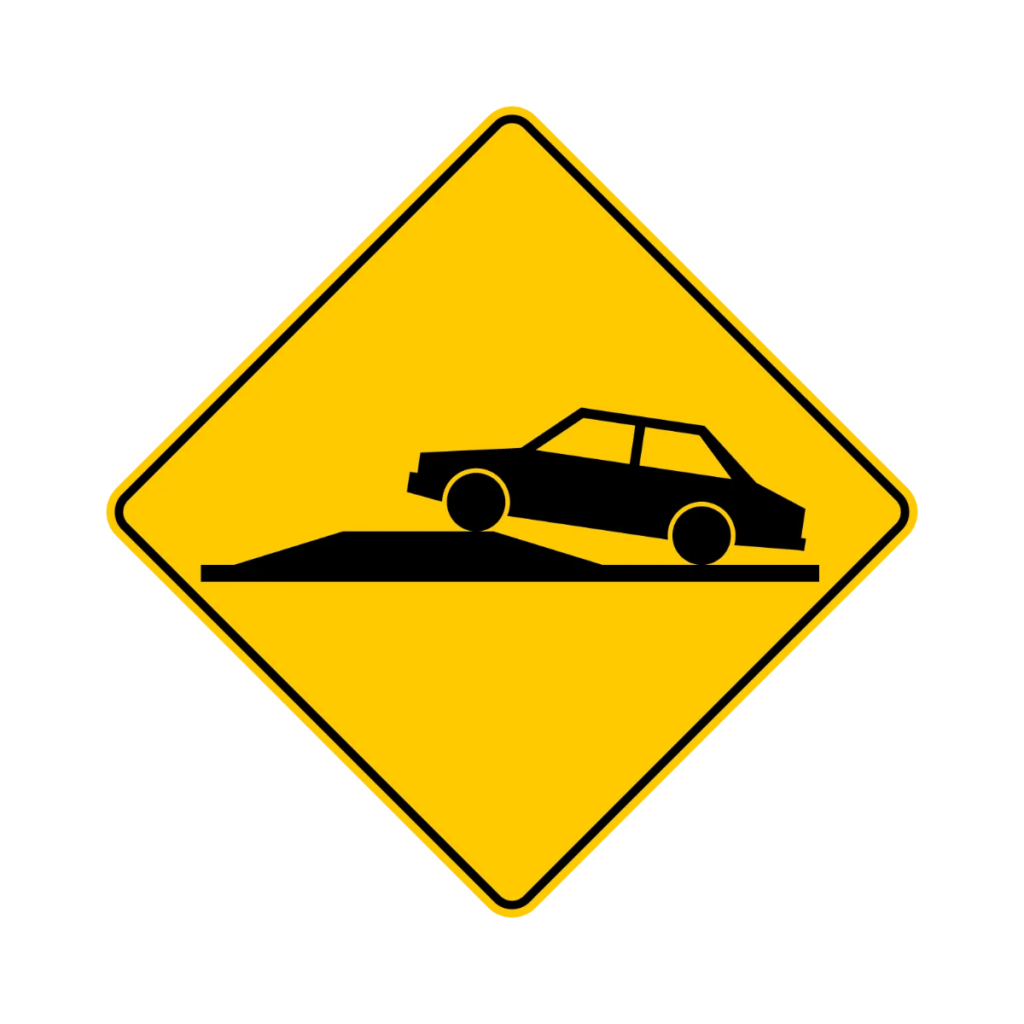
The sign you’ll see most often warns of a tope: a speed bump, a row of metal studs or a raised strip across the road. They show up on main highways where they pass through towns, which surprises drivers from countries where that never happens. The icon also changes with the type of bump.
 Photo: Amateria1121 · CC BY-SA 3.0
Don’t count on a sign every time. Many topes weren’t built by any road authority but by residents trying to slow traffic in front of their homes, so they come in every size and shape, and some are barely painted. Through towns and villages, slow down and keep your eyes on the pavement.

Speed limits in kilometers
Mexico posts speeds and distances in metric units, which takes a minute to get used to if you drive in miles at home. On federal highways, the rule is simple: the limit is whatever the signs say. These are the caps set by Mexico’s federal highway traffic regulations for cars:
- Up to 110 km/h (about 68 mph), where the signs allow it.
- On a federal highway stretch with no speed sign: 100 km/h (about 62 mph) by day and 90 km/h (about 56 mph) at night.
- Where a federal highway runs through a town or city: 50 km/h (about 31 mph) when unsigned.
Inside cities, each local government sets its own limits, and school zones are much slower. When in doubt, follow the sign and the flow of traffic.
Before you pick up the car, it also pays to know the risks of buying Rentalcars insurance for a trip to Mexico.
Drinking and driving
Mexico has drunk-driving laws like anywhere else, but the legal blood-alcohol limit is set by each state, not nationally, and some states are stricter than others. The only safe number behind the wheel is zero. Drinking can also void your coverage: our guide on how to avoid voiding your rental car insurance explains why.
Hoy No Circula in Mexico City
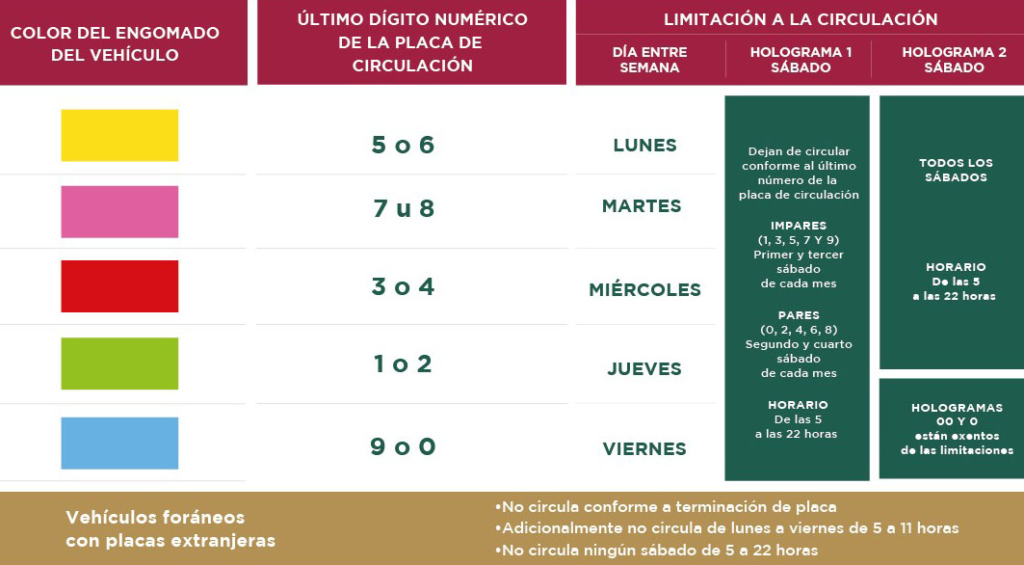
In the 1980s, Mexico City went through its worst years of air pollution. One of the measures the government took was Hoy No Circula, which keeps cars off the road one weekday based on the last digit of the license plate and the car’s emissions sticker. During environmental emergencies the rule gets tighter.
The program also applies to cars from other states, and the rules change from time to time, so check the current calendar on the Mexico City environment ministry’s site before your trip. If you rent a car in Mexico City, ask the rental company which day that car can’t be driven, or whether its sticker lets it run every day.
Turning right on red
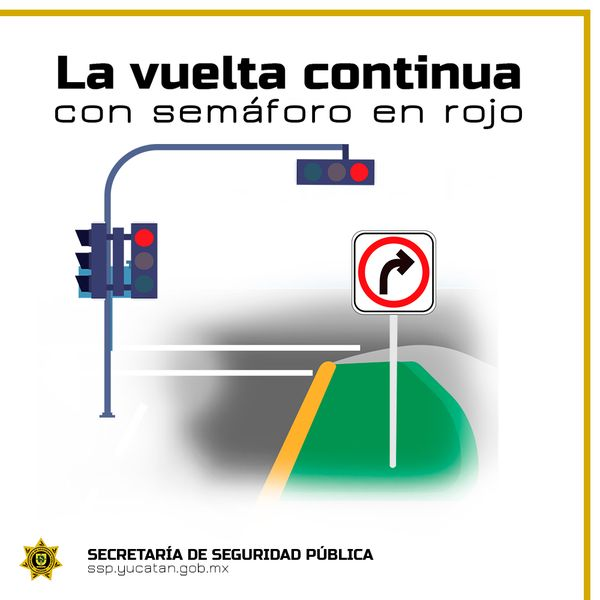
Whether you can turn right on a red light depends on the city, so look for signs at each intersection; a sign reading «vuelta continua» or «continua con precaución» means you may go. Pedestrians always have the right of way. Before turning, make sure no cars are coming on the street you’re entering and that nobody is crossing. If there’s no sign and you’re unsure, wait for the green.
Toll roads and free roads
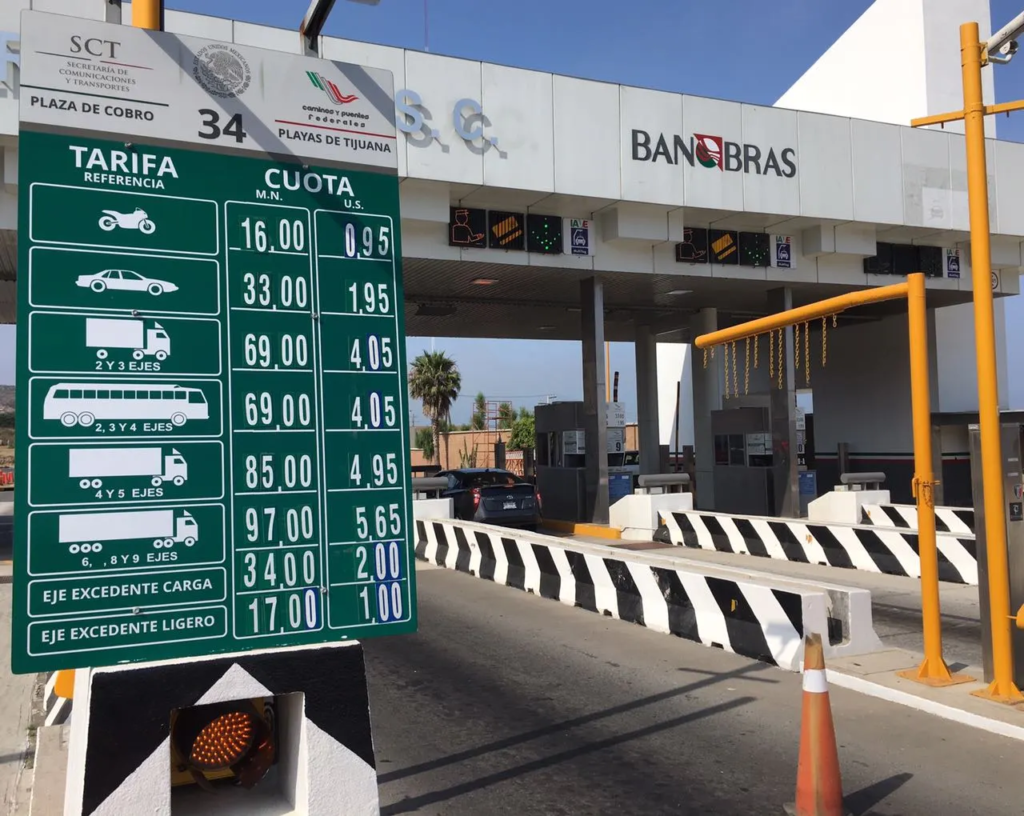
Mexico has a large network of toll highways, known as cuotas, and most four- and six-lane highways charge a toll. There is usually a free alternative, simply called the libre, which is slower and often goes through towns, topes included.
More and more toll booths take cards or an electronic tag, but carrying cash in pesos is still the safe bet. To check the tolls on a route before you leave, the federal government’s Traza tu Ruta planner lists each booth and its rate.
Military checkpoints
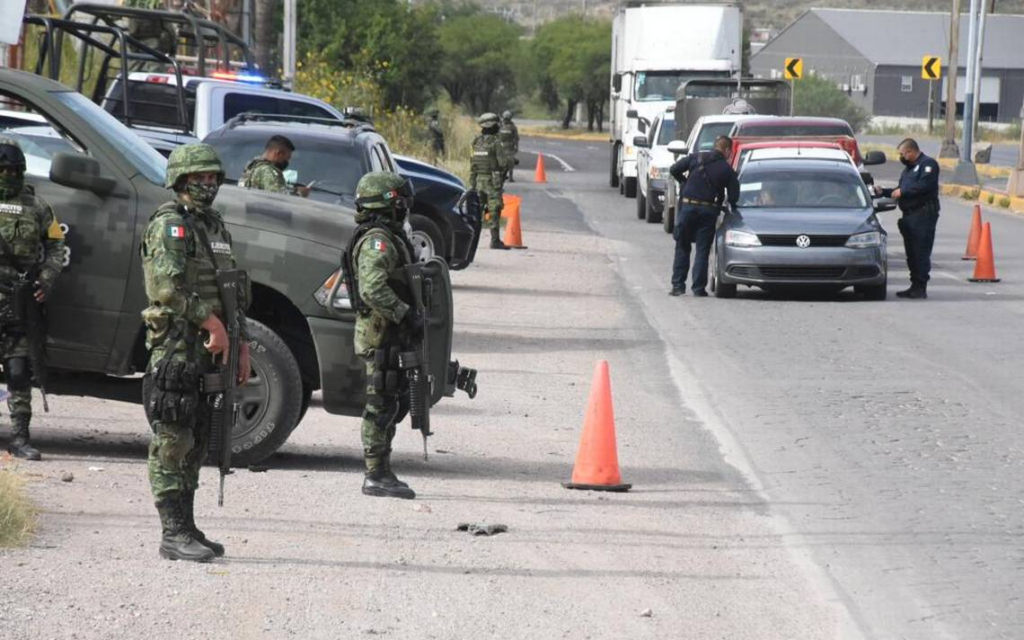
You’ll find checkpoints, called retenes, on highways across the country. They’re run by the army and other security forces to stop the trafficking of drugs, weapons and people, and they’re more common in some regions and on certain routes.
Often you’ll simply be waved through. The usual questions are where you’re coming from and where you’re going. Now and then they’ll ask you to step out while they check the car and the luggage. Stay calm, keep your documents and the rental contract handy, and follow instructions.
Agricultural inspection points
Mexico’s agricultural health agency, SENASICA, runs inspection points near borders, airports, seaports and on some highways to stop pests and plant diseases from spreading. With drivers, they mostly look for fruit and seeds. If you’re carrying any, you’ll usually be asked to throw them away.
Roundabouts and right of way
Roundabouts, called glorietas, are everywhere in Mexico and throw off many drivers from the US. At a roundabout without traffic lights, cars already inside have priority: yield when you arrive, keep a steady speed once you’re in and signal before you exit.
When a glorieta has traffic lights, follow the lights as you would at any intersection, stop on red and always yield to pedestrians. If you’re driving in Guadalajara, our guide to renting a car in Guadalajara and the one on parking downtown will help.
Emergencies and roadside help
Ángeles Verdes: 078
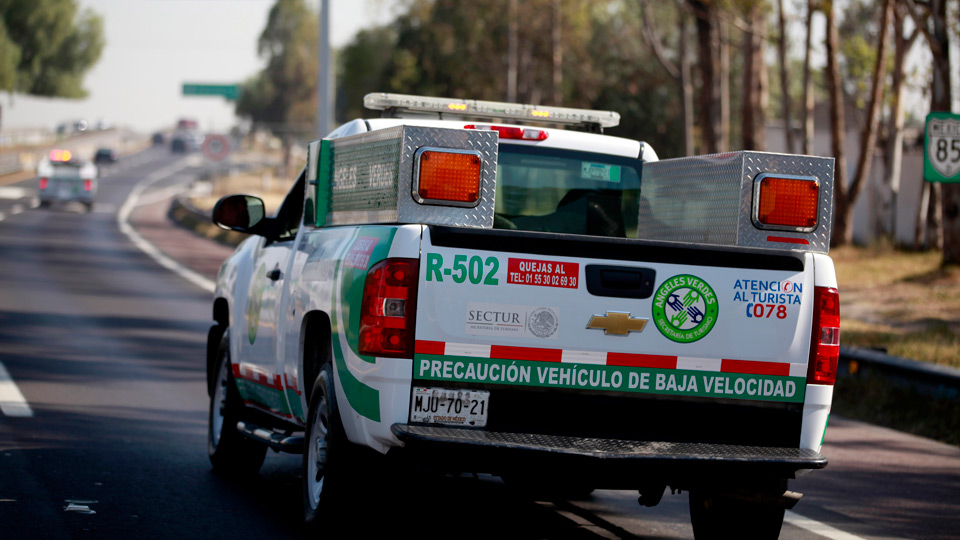
The Ángeles Verdes (Green Angels) are a free roadside assistance service run by Mexico’s tourism ministry. Their crews patrol federal highways and help with basic mechanical problems, accidents and travel information. You reach them by dialing 078 or through their mobile app. While you wait, park somewhere safe and turn on your hazard lights.
911
As in the US and Canada, 911 is Mexico’s emergency number for police, fire and ambulance, in cities and on highways. Use it to report a crash or call for medical help.
Your rental company’s roadside assistance
If you’re in a rental car, you probably have roadside assistance. Keep in mind that the assistance included in the base rate usually covers only mechanical failures of the car. Services like changing a flat tire often cost extra and have to be added when you pick up the car. If you need help with something that isn’t a mechanical failure and didn’t add it at the counter, call the rental company anyway and ask what they can do.
Planning a road trip? Rent a car with Veico at the airport or in the city, with the price you see at booking and no hidden fees, and if you’re driving on a US license, read US driver’s license in Mexico first.