 Blog
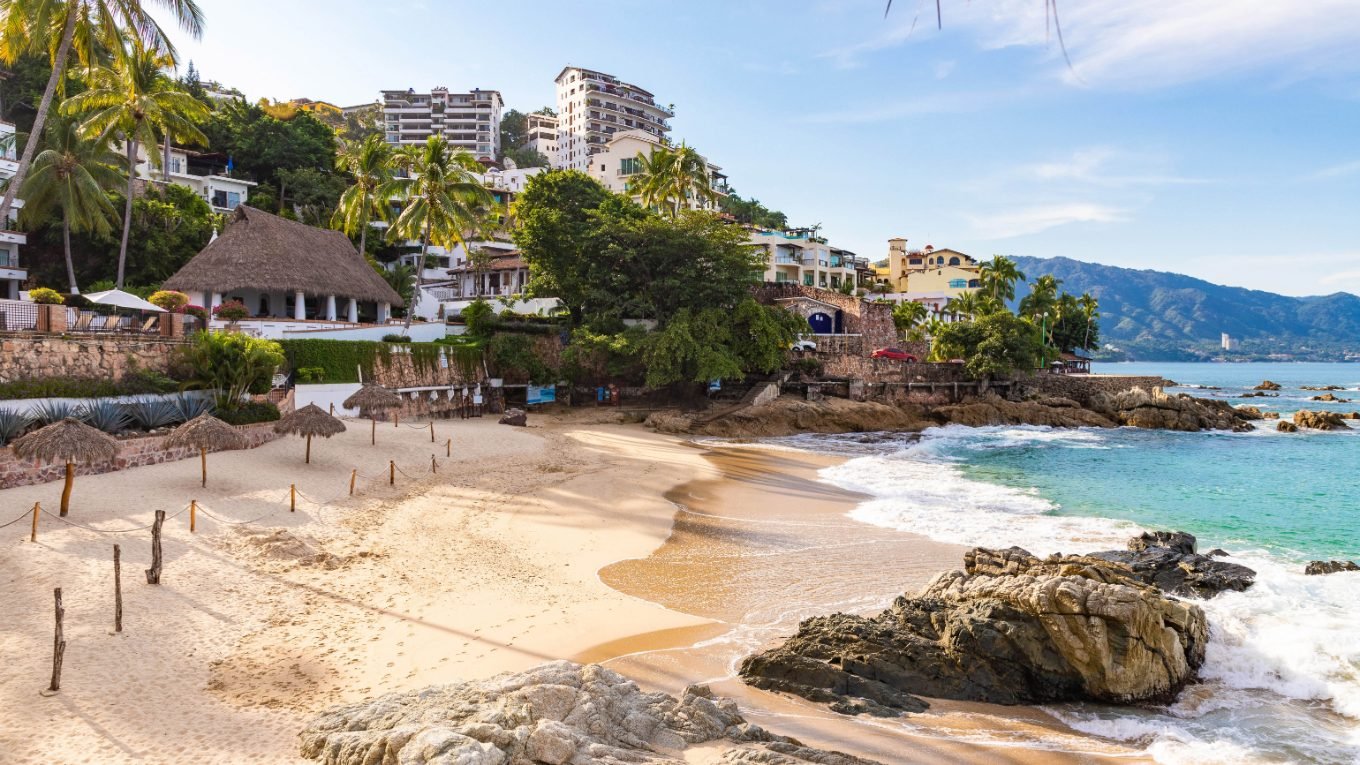
Tabla de Contenidos
Puerto Vallarta has beaches for very different kinds of days, and the trick is knowing how you get to each one. The best beaches in Puerto Vallarta fall into four groups: the ones you can walk to from the Zona Romántica, the southern ones you reach by car along Highway 200, the hidden coves further south that you can only reach by boat from Boca de Tomatlán, and the northern ones in the Riviera Nayarit. This guide sorts them that way, by area and by how to get there, with approximate drive times and what to expect at each.
One thing worth knowing up front: with a car you can reach almost all of them. Only a handful in the far south (Yelapa, Las Ánimas, Colomitos) need a boat, and even for those you drive to the dock at Boca de Tomatlán first. For ideas beyond the sand, the drive to San Sebastián del Oeste makes a good mountain day.
Getting your bearings: downtown (the Zona Romántica) sits south of the Cuale River. From there Highway 200 runs south past the beaches from Conchas Chinas to Boca de Tomatlán. To the north are the Hotel Zone and, across the state line in Nayarit, the Riviera towns of Bucerías, Destiladeras and Sayulita. The airport (PVR) is in the north end of the city.
Downtown Puerto Vallarta beaches you can walk to
If you are staying downtown or in the Zona Romántica, these three are on foot. They are the liveliest and have everything close by: restaurants, beach clubs and nightlife.
Playa Los Muertos
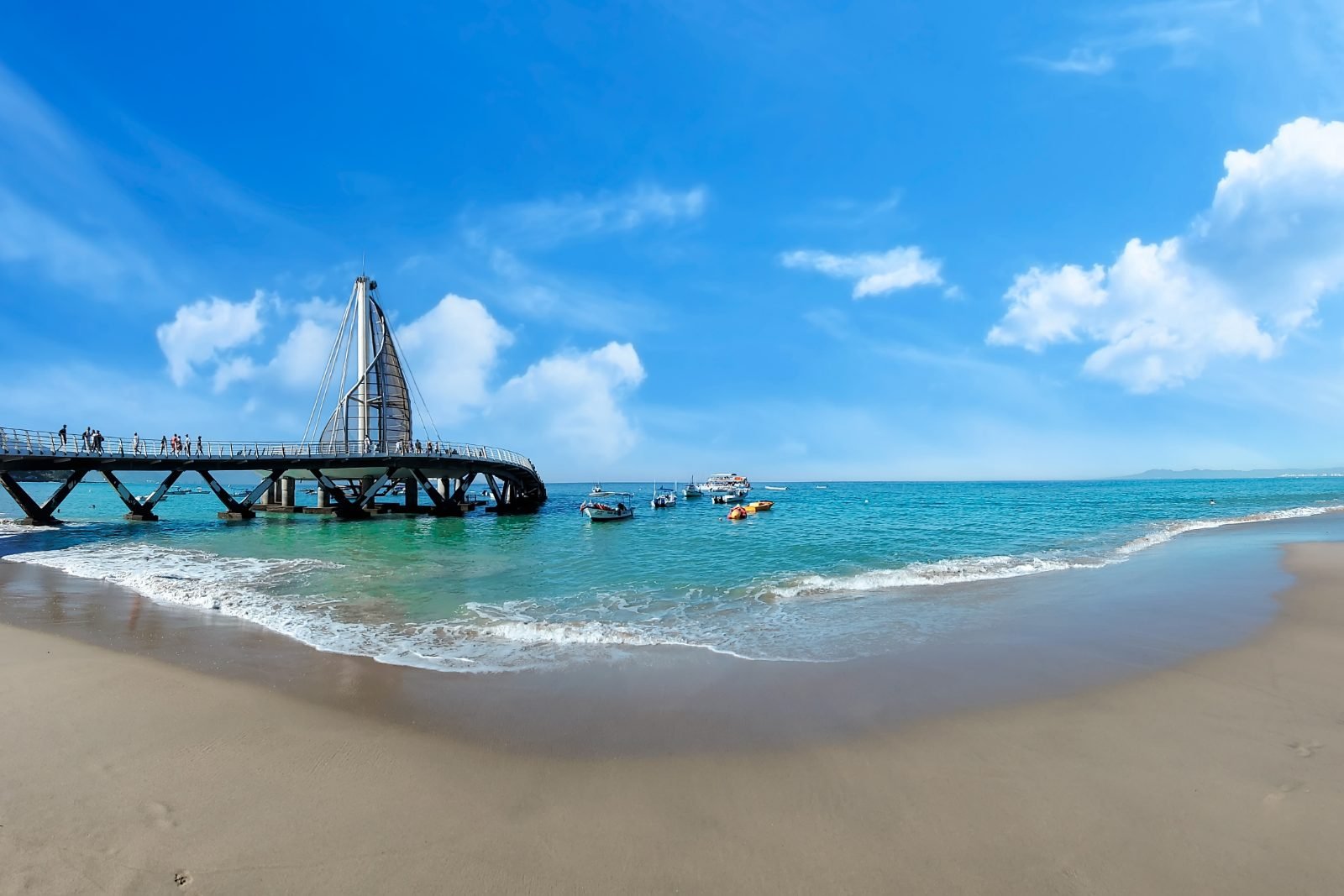
The best-known and busiest beach in town, right in the Zona Romántica. Its sail-shaped pier is the city’s meeting point and also where the water taxis to the south coast leave from. The surf is moderate, there are beach clubs with loungers, waiters who come out onto the sand and a row of restaurants behind. It is loud and crowded, which is part of the appeal. If you want quiet, come for sunset.
Playa Olas Altas

Right next to Los Muertos, to the north, with the same atmosphere and usually a bit less crowded. The name (“high waves”) is misleading: the surf is manageable these days, and some people even bodyboard here. Cafés, galleries and bars line the area, so it works well for breakfast by the water before the sun gets strong.
Playa Camarones
North of the Cuale River, next to the Malecón, Camarones is the calmest and most family-friendly of the downtown beaches. The sand is wide and it gets fewer people than Los Muertos. People paddleboard and fish here, and there are seafood palapas. A good pick with kids if you want to be close to everything without the noise.
South shore beaches you can drive to
Heading south out of town, Federal Highway 200 hugs the coast and passes one beach after another. This is where a car pays off most: you stop wherever you like, bring a cooler and get there early, before the crowds.
Playa Conchas Chinas
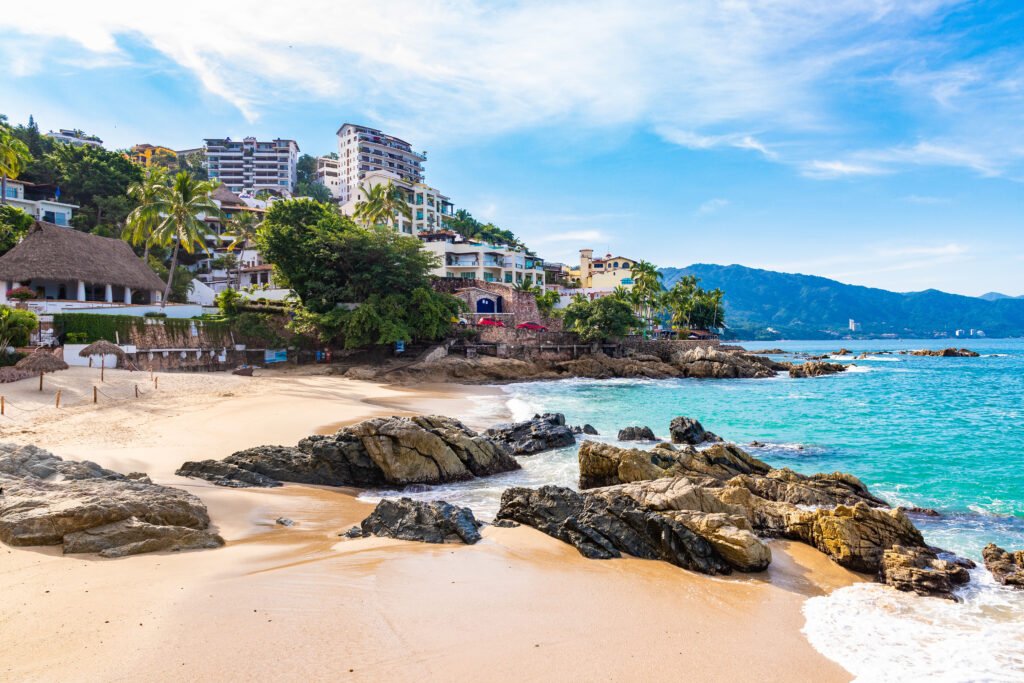
Five to ten minutes by car from downtown, Conchas Chinas is the beach below the cliffside villas. Its rock formations create tide pools, small natural swimming holes with clear water that are good for snorkeling and for kids who want to splash without waves. There are no services on the sand, so bring water and whatever else you need. The public access is signed from the highway, between the hotels.
Playa Las Gemelas and Garza Blanca
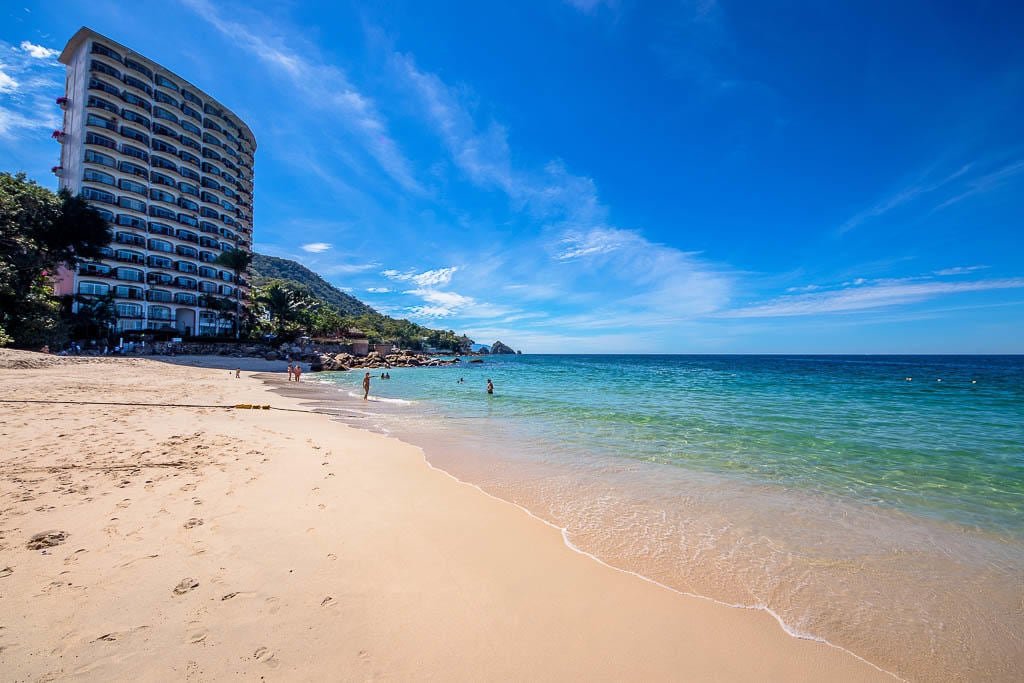
About 10 km (6 miles) from downtown, 20 to 25 minutes, Las Gemelas are two small coves of white sand and blue-green water, among the prettiest on the south shore. You walk down a set of signed stairs from the highway next to Garza Blanca, and public access is free. There are no palapas or vendors, so pack everything. Parking is tight in high season: arrive early.
Playa Mismaloya
About 13 km (8 miles) from downtown, roughly 25 minutes, Mismaloya is film history: The Night of the Iguana (1964) was shot here, the movie that put Puerto Vallarta on the map. It is an enclosed bay with calm water, good for snorkeling, with restaurants on the sand and a large resort to one side. Just offshore is the Los Arcos marine park, one of the best snorkel and dive spots in the whole bay.
Playa Punta Negra
Between Conchas Chinas and Mismaloya, Punta Negra is a small, quiet beach with food palapas and decent waves for bodyboarding. It is one of the least crowded on the south shore, a good choice for a beach day without crowds 15 to 20 minutes from downtown.
Boca de Tomatlán
About 17 km (11 miles) from downtown, Boca de Tomatlán is the last south shore beach you can drive to. It is a fishing village where the Horcones River meets the sea, with calm water and a local feel. Its real role is different, though: this is where the pangas (shared boats) leave for the hidden beaches further south that have no road. Park here and hop on a boat.
Southern beaches reachable only by boat
South of Boca de Tomatlán the road ends and the wild Cabo Corrientes coast begins: turquoise coves backed by jungle, with no cars and hardly any buildings. You get there by shared panga or private water taxi, leaving from Boca de Tomatlán or from the Los Muertos pier downtown. Ask for the fare at the dock before you board.
Playa Colomitos
Often billed as one of the smallest beaches in Mexico, Colomitos is a tiny emerald cove 10 to 15 minutes by panga from Boca de Tomatlán, or about an hour’s jungle hike for the adventurous. The water is very clear for snorkeling and there is a waterfall nearby. No services: bring the essentials and leave nothing behind.
Playa Las Ánimas
Fifteen to twenty minutes by boat, Las Ánimas is a wide beach with golden sand, gentle surf and shallow water, plus a line of seafood restaurants right on the sand. It is the most complete of the boat-access beaches, with banana boats, parasailing, kayaks and even horseback rides. A good choice for a full day with family.
Playa Quimixto and Majahuitas
A little further south, Quimixto is known for its waterfall: from the beach you walk or ride a horse (locals rent them) up to a pool you can swim in. Neighboring Majahuitas is a small, quiet beach with light sand, good for snorkeling and switching off. Both are regular stops on bay tours.
Yelapa
The highlight of the far south. Yelapa is a village with no cars, 30 to 45 minutes by boat from Boca de Tomatlán, with a sheltered main beach, waterfalls you can walk to from town and an easy, unhurried pace. Try the pay de Yelapa, the pie local women sell on the beach. You can go for the day or stay overnight in one of the small guesthouses.
For something more exclusive, Las Caletas is a private beach on Cabo Corrientes that you can only visit on an organized tour, with snorkeling, ziplines and an adventure park set in the jungle. And if you would rather explore the bay on your own terms, a private boat charter lets you hop from cove to cove.
North beaches: the Riviera Nayarit by car
To the north, across the state line in Nayarit, the bay opens into miles of wider, calmer sand. This whole stretch, from the Hotel Zone to Sayulita, is a driving trip, and it is where having your own car makes the biggest difference: public transit drops you far from the beach.
Playa de Oro and the Hotel Zone
The beach of the north Hotel Zone, about 15 minutes from downtown and very close to the airport. The sand is wide and every water sport is on offer: kayaks, jet skis, parasailing, banana boats. It is lined with hotels and resorts, so it is comfortable and well serviced, though busier on weekends.
Nuevo Vallarta and Bucerías
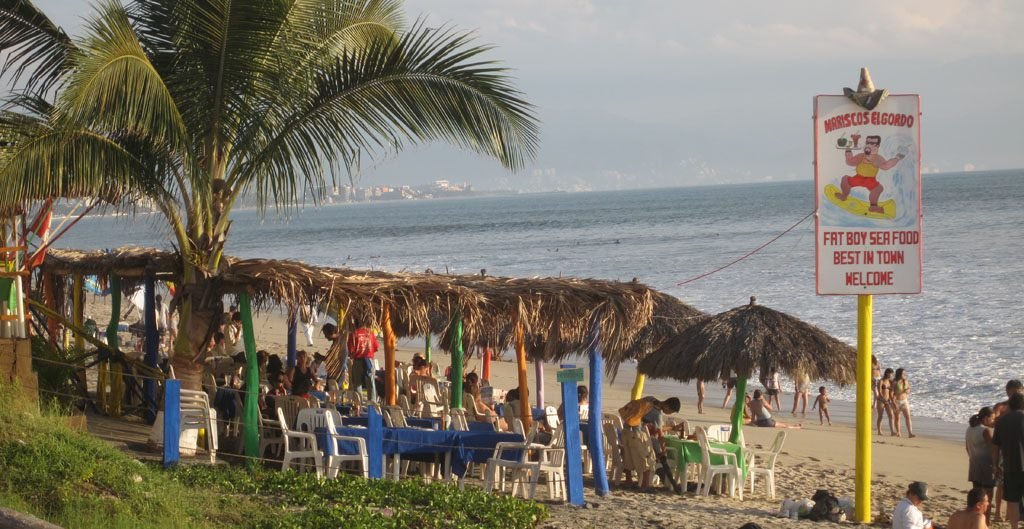 Photo: Gkullberg · CC BY-SA 3.0 · cropped
Just across into Nayarit, Nuevo Vallarta has a very long, calm beach that suits families and long walks. A little further north, about 30 minutes from downtown, Bucerías is a town with a long stretch of light sand, art galleries, a Sunday market and waterfront restaurants. The surf is gentle and the mood is relaxed. One of the best places to watch the sunset.
Destiladeras and Punta de Mita
Forty to fifty-five minutes from downtown on the way to Punta de Mita, Destiladeras is a wide beach of white, silvery sand. Some days the waves are big enough to surf or bodyboard; other days they are calm enough to swim. It has a large parking lot, palapas, restaurants, showers and restrooms, so it is set up for a full day. At the tip of the peninsula, Punta de Mita is the departure point for the Marietas Islands and their Hidden Beach, where access is regulated because it is a protected area.
Sayulita
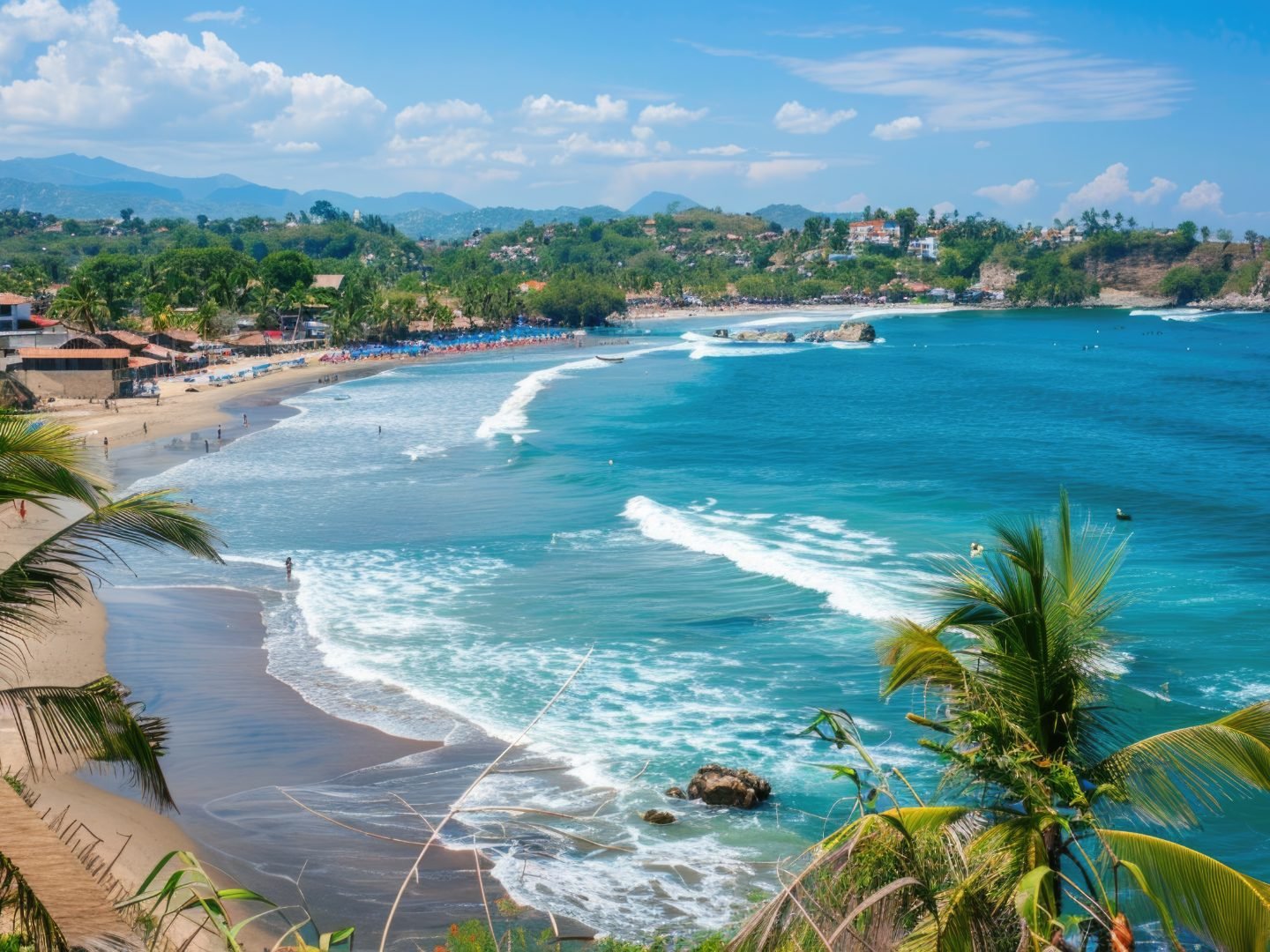
About 40 km (25 miles), an hour by car, Sayulita is a Pueblo Mágico and the surf capital of the region: colorful streets, Huichol art, food trucks and a laid-back bohemian scene. Its waves are ideal for learning, with surf schools everywhere, and the beach comes alive at sunset. Worth it even as a day trip; stay the night if you can. Our Puerto Vallarta to Sayulita drive guide covers the route and where to park.
Puerto Vallarta beaches at a glance
| Beach | Area | How to get there | Time from downtown | Best for |
|---|---|---|---|---|
| Los Muertos | Downtown | On foot | 0-10 min | Atmosphere, beach clubs |
| Olas Altas | Downtown | On foot | 0-10 min | Breakfast by the sea |
| Camarones | Downtown (north of the Cuale) | On foot | 5-10 min | Families, paddleboarding |
| Conchas Chinas | South | Car | 5-10 min | Snorkeling, tide pools |
| Las Gemelas | South | Car + stairs | 20-25 min | White sand, quiet |
| Punta Negra | South | Car | 15-20 min | Bodyboarding, few people |
| Mismaloya | South | Car | 25 min | Snorkeling, Los Arcos |
| Boca de Tomatlán | South | Car | 30 min | Boat dock for the far south |
| Colomitos | Far south | Boat from Boca | 30 min + 15 min boat | Snorkeling, untouched cove |
| Las Ánimas | Far south | Boat from Boca | 30 min + 20 min boat | Full day, seafood |
| Quimixto / Majahuitas | Far south | Boat from Boca | 30 min + boat | Waterfall, snorkeling |
| Yelapa | Far south | Boat from Boca | 30 min + 30-45 min boat | Car-free village, waterfalls |
| Playa de Oro | North Hotel Zone | Car | 15 min | Water sports |
| Bucerías | Riviera Nayarit | Car | 30 min | Sunsets, art town |
| Destiladeras | Riviera Nayarit | Car | 40-55 min | White sand, full day |
| Sayulita | Riviera Nayarit | Car | 1 hour | Surfing, Pueblo Mágico |
Do you need a car to visit the best beaches in Puerto Vallarta?
It depends on your plans. If you are staying downtown and only want Los Muertos, Olas Altas or Camarones, walking is enough. The moment you want to head south (Conchas Chinas, Las Gemelas, Mismaloya) or north (Bucerías, Destiladeras, Sayulita), a car changes the trip: you arrive early, stop at the beach you like, carry your gear and do not depend on bus schedules or taxi fares. It helps even for the boat-only beaches, because you have to drive to Boca de Tomatlán first.
With car rental in Puerto Vallarta from Veico, you plan your own beach route with clear rates and no hidden fees.
Ready to plan your beach route? Rent a car in Puerto Vallarta with Veico, or see the fleet and get a quote. Bookings are made with a credit card and a deposit, and the balance is paid when the rental starts.
When is the best time to visit Puerto Vallarta’s beaches?
The dry season, November through April, is the best: sunny days, calm water and almost no rain. Between December and March humpback whales also pass through the bay, and you can see them from several beaches or on a tour. July to October is the rainy season: it rains most late afternoons and evenings (mornings usually start clear), the sea gets rougher and sea turtles nest on the sand. The upside of summer is lower prices; if an afternoon downpour does not bother you, it is a good time to save.
Tips for your beach day
- Carry cash in small bills. Shared pangas, palapas and many beach restaurants do not take cards.
- Go early. The south shore beaches and the small coves fill up, and parking gets hard after midday.
- Ask about currents and follow the flags on the open northern beaches such as Destiladeras and Sayulita.
- Pack everything for beaches without services (Las Gemelas, Colomitos, Conchas Chinas): water, shade and a bag for your trash.
- Use reef-safe sunscreen. Much of the bay is reef and snorkel territory.
Frequently asked questions about Puerto Vallarta beaches
What is the best beach in Puerto Vallarta?
It depends on what you want. Los Muertos is the best known and liveliest; Conchas Chinas is best for snorkeling thanks to its tide pools; Las Gemelas and Destiladeras have the whitest sand; and Yelapa is the place to disconnect. For a first trip, Los Muertos plus Conchas Chinas is the classic pairing.
Which Puerto Vallarta beaches can you drive to?
Almost all of them. The whole south shore along Highway 200 (Conchas Chinas, Punta Negra, Mismaloya, Las Gemelas, down to Boca de Tomatlán) and the whole north up through the Riviera Nayarit (Playa de Oro, Bucerías, Destiladeras, Sayulita) are drivable. Only the far southern beaches, Yelapa, Las Ánimas, Colomitos and Quimixto, require a boat, and even then you drive to the dock at Boca de Tomatlán.
How do you get to Yelapa and Las Ánimas?
By boat. Water taxis and shared pangas leave from Boca de Tomatlán (the closest point) and from the Los Muertos pier downtown. Yelapa is about 30 to 45 minutes away by water; Las Ánimas, 15 to 20.
Which Puerto Vallarta beach is best for kids?
The ones with gentle surf and services: Camarones downtown, Playa de Oro in the Hotel Zone, and Bucerías or Nuevo Vallarta in the Riviera Nayarit. The tide pools at Conchas Chinas also work well for kids who want to get in the water without waves.
Does Puerto Vallarta have white sand beaches?
Yes. The downtown beaches have softer, golden sand, but the further out you go the lighter it gets: Las Gemelas to the south, and above all Destiladeras and the Riviera Nayarit beaches to the north, with white, silvery sand.
Which beach is closest to the Puerto Vallarta airport?
Playa de Oro and the other north Hotel Zone beaches, along with Nuevo Vallarta, are the closest to the airport (PVR). Pick up your car when you land and you can be on the sand in minutes.
You may also like
- Puerto Vallarta to Sayulita Drive: Route and Parking
- Puerto Vallarta to San Sebastián del Oeste by Car
- Manzanillo to Barra de Navidad by Car: Route and Beaches
- Car rental in Puerto Vallarta with Veico