 Blog
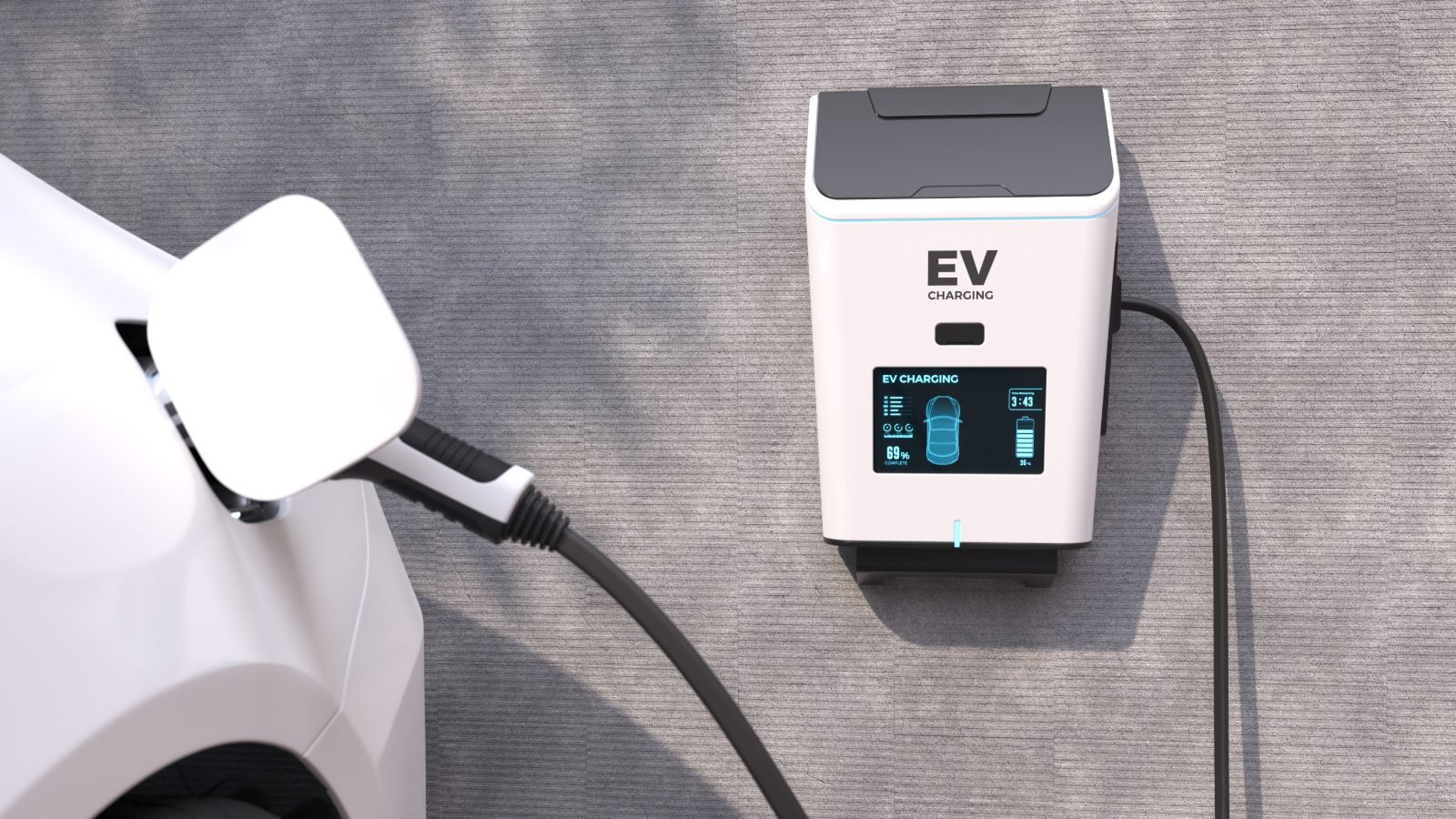
Tabla de Contenidos
For many people, electric cars still feel like something out of a science fiction film. They are sold as one of the answers to greenhouse gas emissions, yet how they actually work remains a mystery to most drivers.
If you like cars, or you are wondering what kind of vehicle suits a trip to places like the top sights around Cancún (in Spanish), this guide covers how an EV works and the main advantages of electric cars, along with their drawbacks.
By the end you will know what you gain by buying or renting a car with this technology.
How does an electric car work?
Many electric cars (in Spanish) run on a battery pack made of thousands of lithium-ion cells mounted under the floor. These cells store a lot of energy, are rechargeable and last for years.
The stored energy flows to the motor, where fixed coils arranged in a circle create a rotating magnetic field. That field pulls the rotor in the center around with it, producing fast rotation.
That is how electrical energy becomes mechanical energy to turn the wheels. An electric motor doesn’t need a multi-speed gearbox, so every EV drives like an automatic: easy and comfortable, like the cars we offer for car rental in Cancún.
There are three ways to charge an electric car:
1. Household outlet: an EV can charge at home from a regular 110-volt household outlet. At that voltage a full charge takes roughly 8 to 24 hours.
2. Level 2 charger: these run on 220 to 240 volts and add roughly 16 to 40 km (10 to 25 miles) of range per hour of charging.
3. DC fast charger: these use direct current and can bring the battery to about 80% in around 30 minutes.
What are the advantages of electric cars?
Electric cars are not perfect, but they bring real benefits to the driver and to everyone else. These are the main ones.
1. No fossil fuel at the pump
The biggest advantage of an electric car is that it burns no fossil fuel. Tailpipe emissions disappear, and when the electricity comes from renewable sources, overall greenhouse gas emissions drop sharply.
2. Cheaper to run
There are far fewer charging stations than gas stations, but the cost per kilometer makes up for it: charging is generally cheaper than filling a tank with gasoline. Charging prices vary by network and by power level, so check the rate at each station. That is why an electric car, whether you buy one or look for car rental in Guadalajara, can be a good choice if you want to cut both fuel costs and emissions.
3. Regenerative braking
Electric cars also have regenerative braking. Part of the energy spent accelerating comes back when you slow down: every time you brake, kinetic energy turns into electricity and returns to the battery.
Thanks to this and to the efficiency of the motor, an electric car turns most of its energy into motion, while a combustion engine loses most of the energy in its fuel as heat.
4. Plenty of models to choose from
There is now a wide range of electric models. Just as with car rental in Mazatlán, you will find compacts, SUVs and sports cars to suit each driver. Battery capacity varies by model, but charging stays cheaper than gasoline.
Drawbacks of electric cars: battery cost
On the maintenance side, repairing a battery fault is very expensive. The lithium in the cells has become a highly sought-after material in recent decades, which pushes up both repair costs and the purchase price.
To offset that, manufacturers offer long warranties on their lithium batteries, often for several years. Check the warranty terms of each model before you buy.
Where electric cars came from
Few people know that electric motors, like combustion engines, date back to the 19th century and the Industrial Revolution. They even powered streetcars.
So why did combustion win? Early electric cars had a short range, a low top speed and batteries that needed frequent charging, which made them far more expensive to run than gasoline cars.
When Henry Ford mass-produced cheap gasoline cars in the 1910s, electric cars all but disappeared for decades.
Today’s electric cars go hundreds of kilometers on a full charge, and range keeps growing with each new generation. Carmakers are also working on wireless charging.
Now that you know how electric cars work and why they are good for your wallet and the environment, keep up with what’s new in the car world on our blog.