 Blog
Tabla de Contenidos
Pre-Hispanic and colonial roots of traditional Mexican candy
Traditional Mexican candy is one of the most enjoyable ways into the country’s culture. Alongside its music, poetry, archaeology and Pueblos Mágicos (in Spanish), Mexico’s sweets show how much variety fits in one kitchen. Some recipes go back to pre-Hispanic cultures, others arrived with the Spanish, and a new generation keeps inventing more. Here is a regional tour of the classics, and of the spicy candy that took over the last few decades.
Traditional Mexican candy from central Mexico
Alegrías
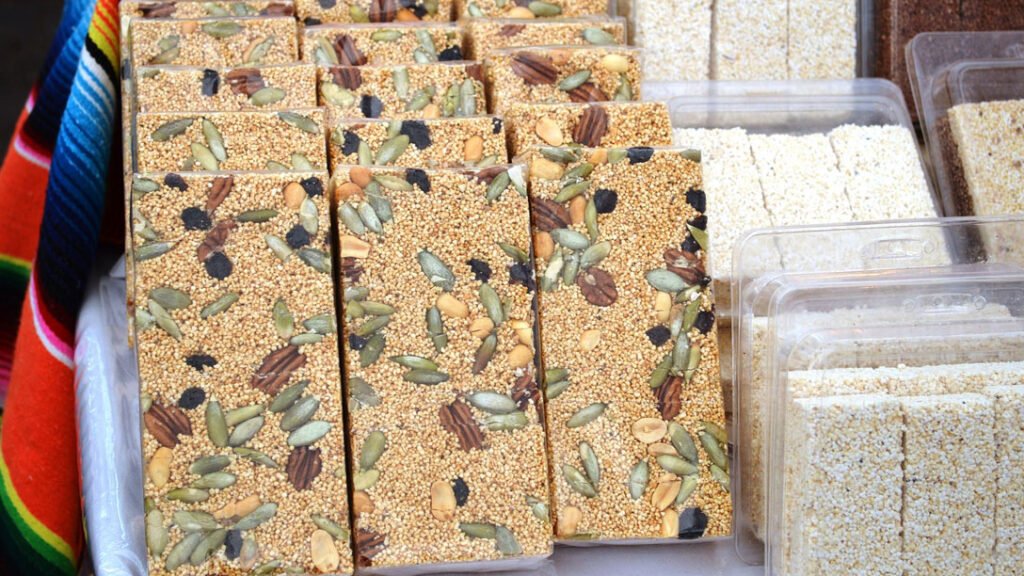 Photo: AlejandroLinaresGarcia · CC BY-SA 3.0
Alegría is made with amaranth, a nutrient-rich seed, bound with piloncillo syrup (unrefined cane sugar) and often mixed with pumpkin seeds or nuts. The mixture is pressed into bars or other shapes and left to cool until crunchy. It tastes sweet and toasty, and it carries more protein, vitamins and minerals than most candy.
Mazapán
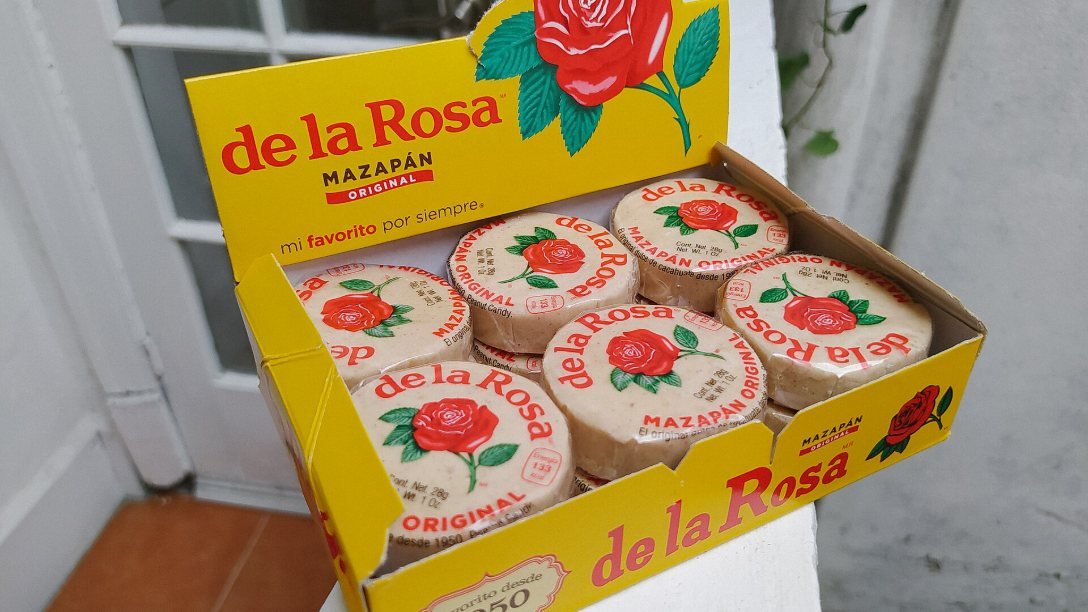 Photo: El Mono Español · CC BY-SA 4.0 · cropped
Mexican mazapán is made from sugar and ground peanuts or almonds. It is soft, crumbly and mild. It comes molded in different shapes, sometimes brightly colored, and shows up at kids’ parties and at Christmas.
Palanquetas
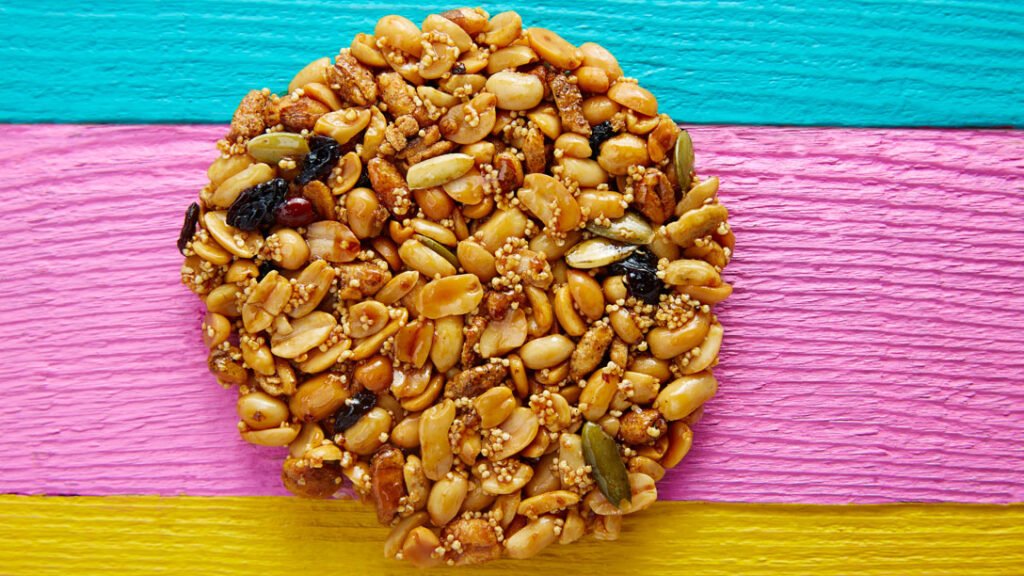
Palanquetas combine peanuts (or pecans, pumpkin seeds or other nuts) with piloncillo syrup or sugar, sometimes with a pinch of cinnamon. The mix is cooked until sticky, then poured into molds or spread out to cool and harden. The result is a crunchy bar or block, a regular at fairs, markets and traditional celebrations across Mexico.
Borrachitos
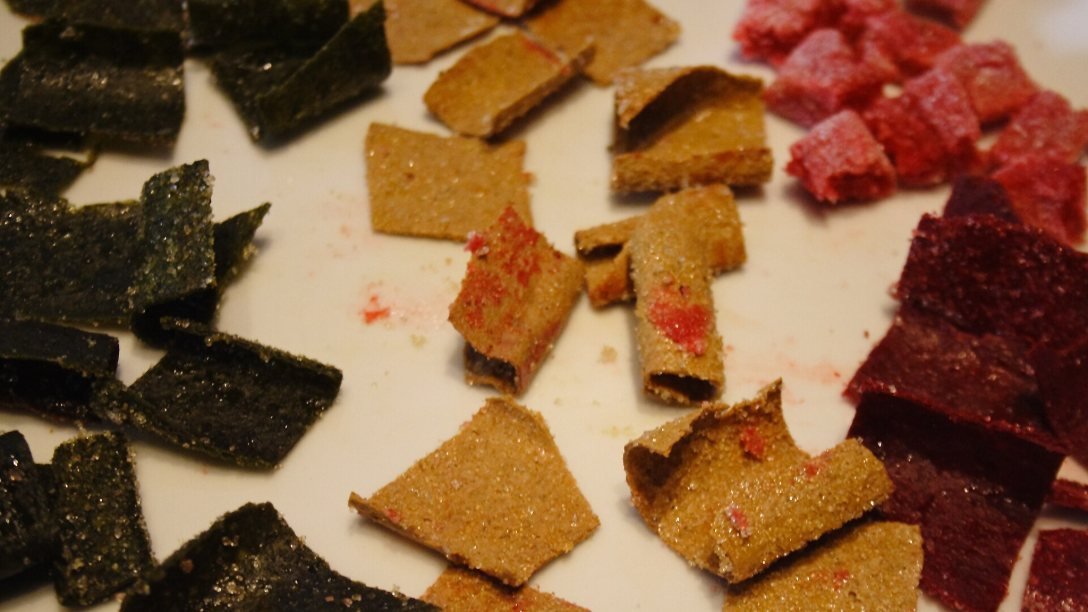 Photo: Adrián Cerón · CC BY-SA 4.0 · cropped
The name means “little drunks”, but this is not about drinking and driving limits (in Spanish). Borrachitos are cubes of fruit-flavored jelly, usually strawberry, lime, orange or pineapple, mixed with liquor, typically tequila. The cubes are rolled in granulated sugar, which gives them a slightly crunchy coat. They are soft and sweet with a faint taste of alcohol, and they show up at parties and family gatherings.
Jamoncillos
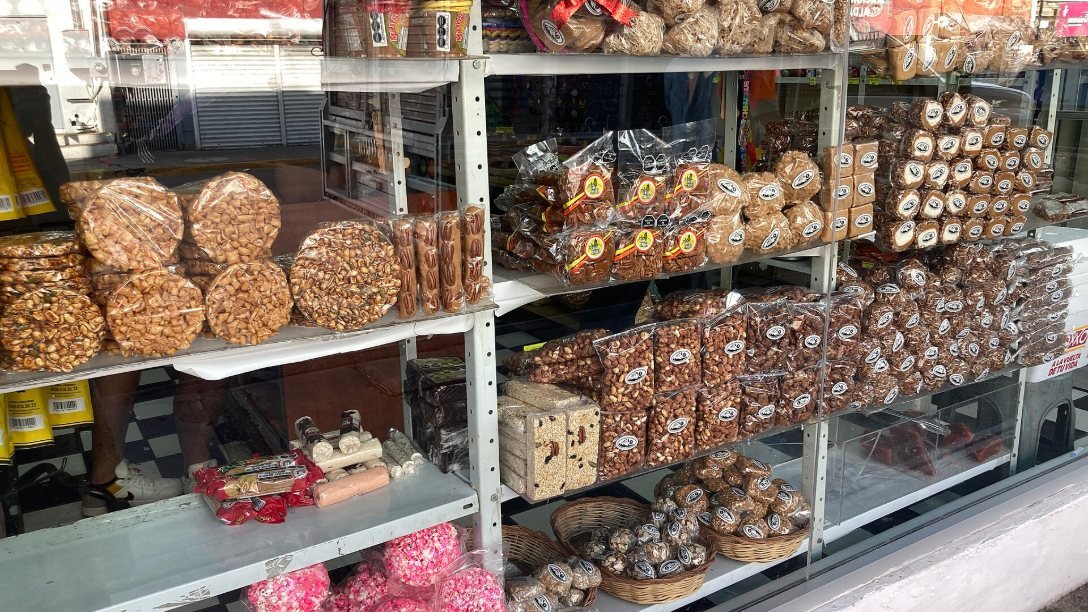 Photo: Palomilla Apocatastásica · CC BY 4.0 · cropped
Jamoncillos are made from milk, sugar and nuts, mostly walnuts or pecans. The milk simmers slowly with the sugar until it thickens into something like soft caramel, then the chopped nuts go in and cooking continues until the mixture firms up. It is poured into molds and cut into small squares or bars once cool. Creamy and nutty, they are eaten as dessert or given as gifts during the holidays.
Traditional Mexican candy from the north
Glorias
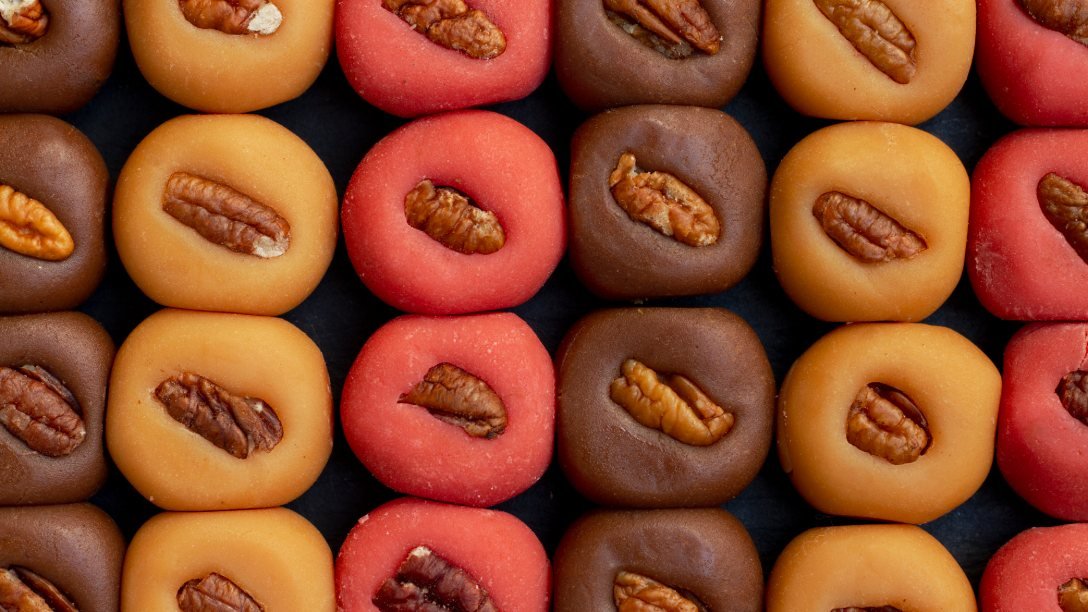
Glorias are made with goat’s or cow’s milk, sugar and nuts (usually pecans), sometimes with honey. The milk boils with the sugar until it thickens like caramel, the chopped nuts are folded in, and the mix is set in molds to cool. Soft, with a caramel and pecan flavor, they are a classic dessert and a traditional sweet for celebrations.
Coyotas
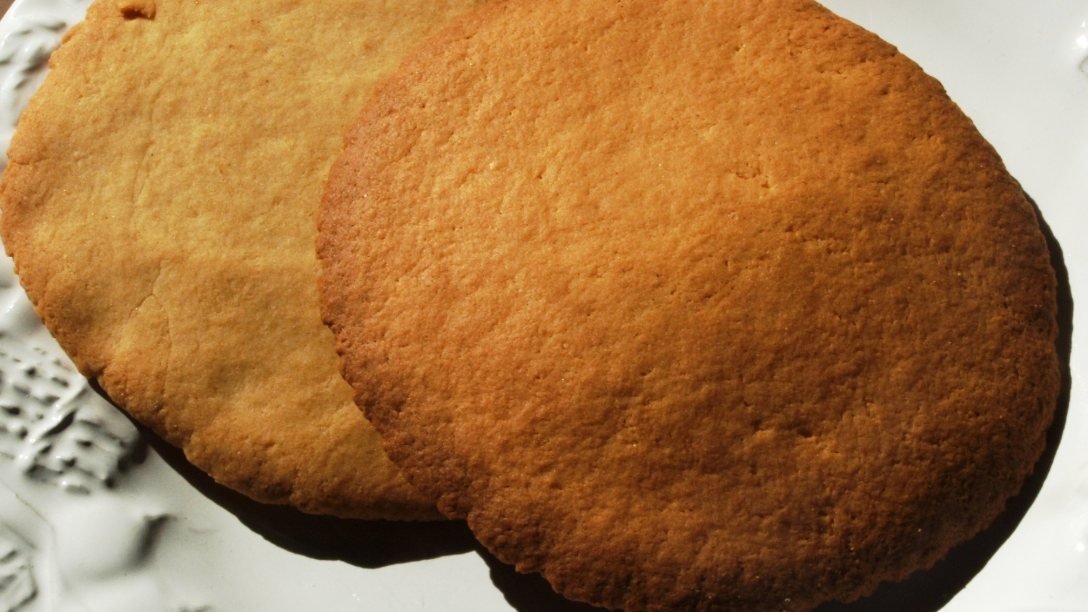 Photo: Glane23 · CC BY-SA 3.0 · cropped
Coyotas come from the state of Sonora. They are a kind of sweet, flat turnover made with wheat flour dough, lard, sugar and sometimes piloncillo, filled with dulce de leche or cajeta (thick goat milk caramel) and baked until crisp outside and soft inside. They are usually round, eaten as dessert or a snack, and sold in markets, bakeries and candy shops around the country.
Pepitorias
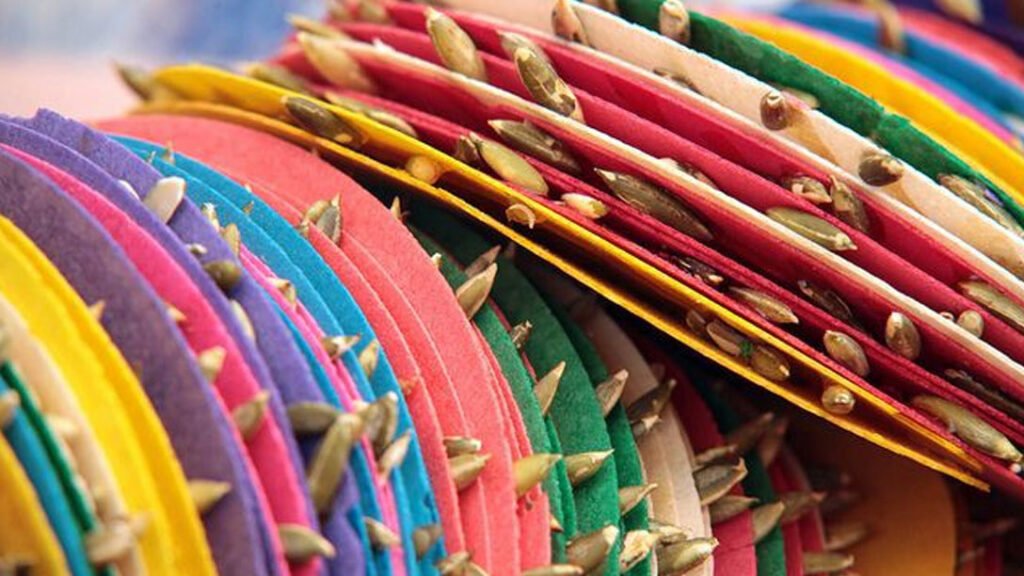 Photo: Valeria Delgado · CC BY-SA 4.0
Pepitorias are toasted pumpkin seeds caramelized with piloncillo or sugar. The seeds cook in the melted sugar until they are coated in a crunchy shell, so the result looks a lot like a palanqueta.
A popular variation uses piloncillo syrup to glue two thin wafers together, with pumpkin seeds pressed around the edges. You will find pepitorias at fairs, markets and traditional candy shops. Sweet, toasty and crunchy, they are a common snack and a sweet gift at celebrations.
Traditional Mexican candy from the south
Candied fruit
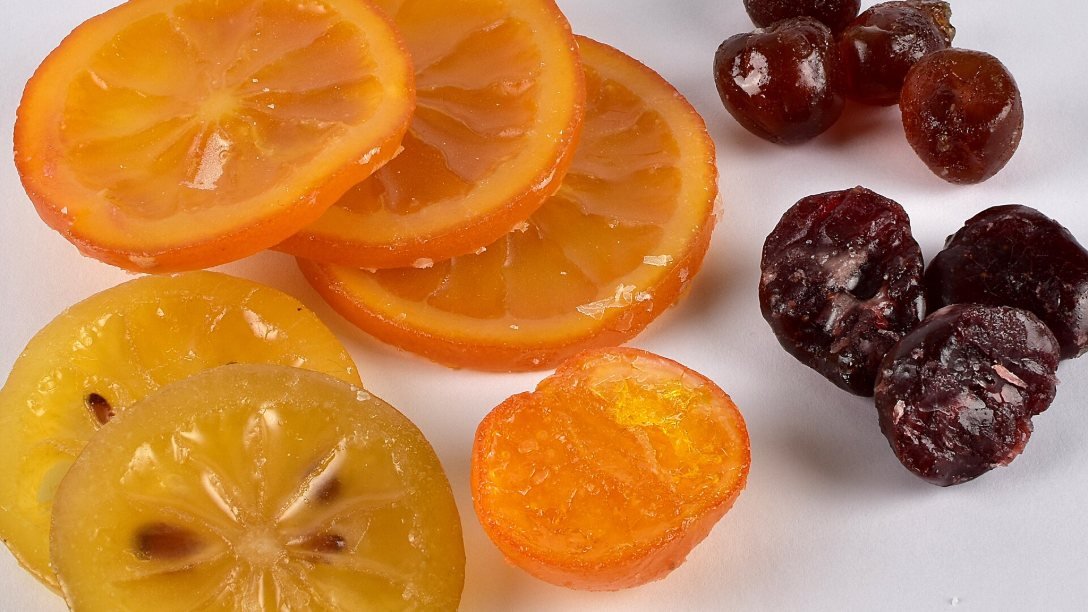 Photo: Sebastian Koppehel · CC BY 4.0 · cropped
Fruta cristalizada is whole fruit or fruit pieces cooked in sugar syrup and then dried until a crust of sugar crystals forms on the surface. The process preserves the fruit and gives it a firm, sweet texture. Oranges, limes, figs, pineapple, squash and biznaga cactus are among the most common. It is used in baking and candy making but is just as often eaten on its own, especially during holidays.
Cocadas
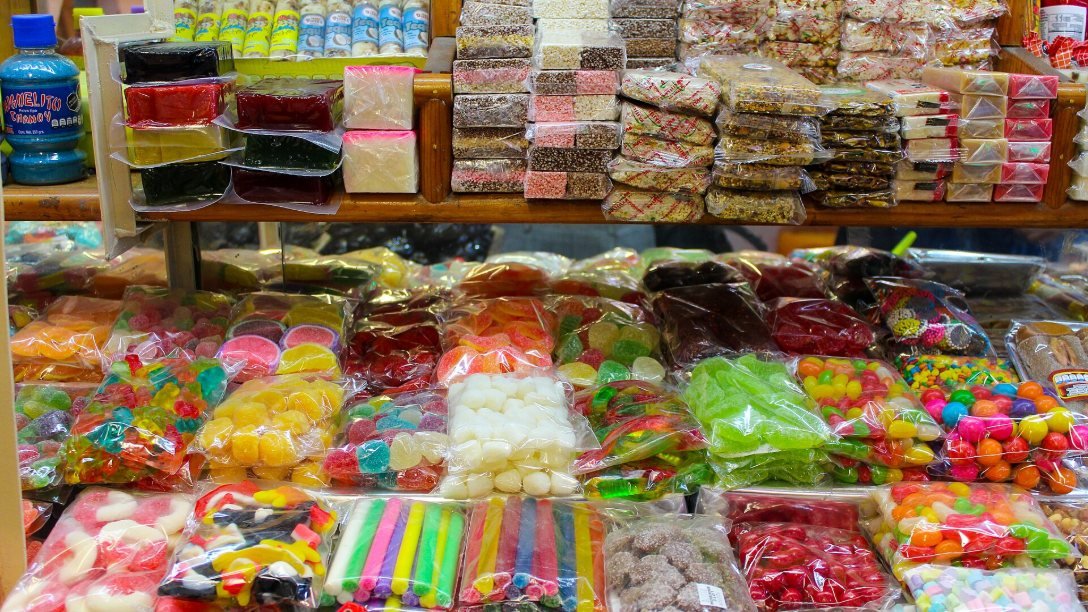 Photo: Mariana Muñiz · CC BY-SA 4.0 · cropped
Cocadas are made mostly with shredded coconut, sugar and sometimes egg white. The mixture is shaped into small portions and baked until soft inside and lightly crisp outside. Depending on the region and the recipe, they may include condensed milk, vanilla or dried fruit. Sweet and fragrant, they are sold at fairs and parties all year round.
Marquesitas
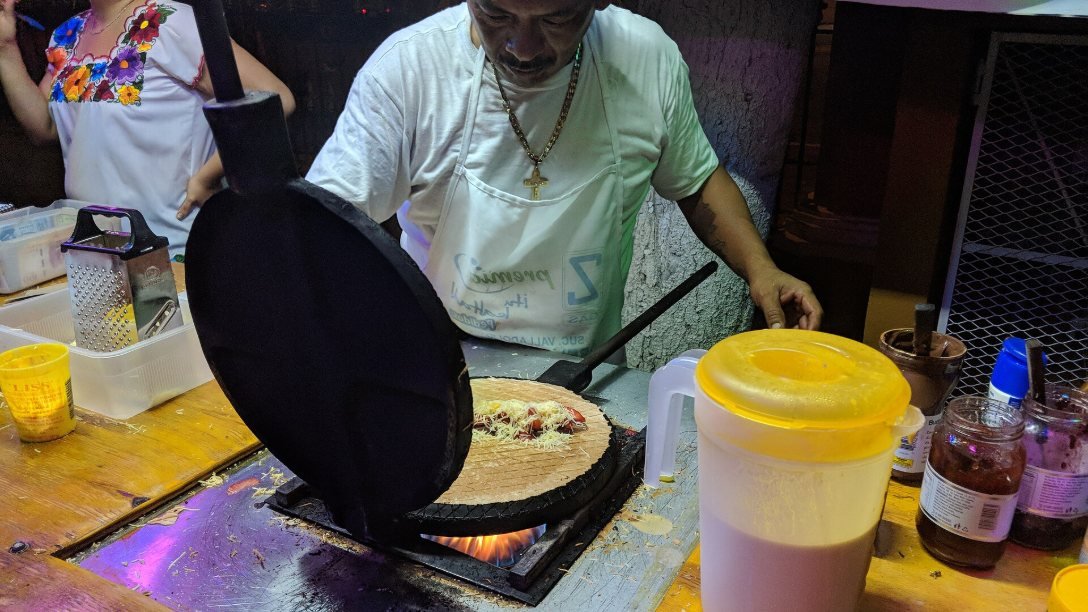
Marquesitas are a street favorite in southeastern Mexico, especially in Yucatán. The batter is similar to waffle batter, made with wheat flour, milk, eggs, sugar and vanilla, and it is cooked on a hot iron until it becomes a thin, crisp crepe.
It is then filled with cajeta, Nutella, jam, condensed milk, chocolate or grated cheese, rolled into a tube and served hot so the filling melts against the crisp shell. You will find them at fairs, street stalls and markets, usually with a long list of fillings to choose from.
Modern Mexican candy
Contemporary Mexican candy leans hard on spicy, sour and sweet combinations. The clearest example is chamoy, a tangy, chile-spiked sauce that has won fans in Mexico and abroad and now flavors all kinds of sweets. The same taste drives favorites like Pelón Pelo Rico, Pulparindo and chile-coated gummies, which mix sugar with a real kick.
One easy way to try these sweets where they are made is a road trip. With a rental car in Guadalajara (in Spanish) you can hit the city’s markets and candy shops at your own pace, from alegrías to cocadas, in a compact car or a larger vehicle if you are traveling with family.