
Things to Do in Cancun: The Ultimate 2026 Guide
Tabla de Contenidos
Wondering what the best things to do in Cancun are beyond your resort’s pool? This Caribbean city is far more than all-inclusive hotels. In a single trip you can swim at a white-sand beach, snorkel over an underwater sculpture museum, dive into a freshwater cenote and climb a Mayan pyramid on a day trip. This guide covers the top sights and experiences in and around Cancun, with practical tips for getting around on your own.
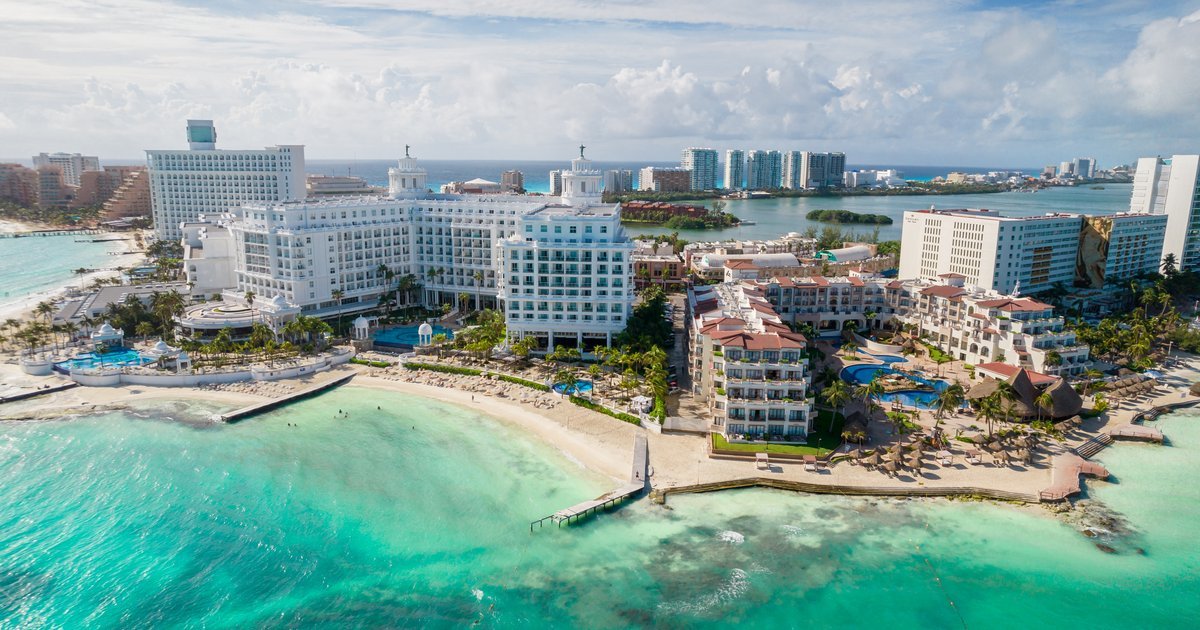
Cancun has two sides: the Hotel Zone, the 14-mile strip with the beaches, resorts and nightlife; and Downtown (El Centro), where locals live, eat and shop for a fraction of the Hotel Zone prices. Knowing the difference is the first step to planning your trip.
| Area | What you’ll find | Best for |
|---|---|---|
| Hotel Zone | Beaches, resorts, nightlife, MUSA, El Rey ruins | Beach, nightlife, comfort |
| Downtown | Market 28, Parque de las Palapas, local food | Cheap eats, local vibe |
| Around Cancun | Cenotes, Isla Mujeres, Chichen Itza, Tulum | Day trips and nature |
The best beaches in Cancun
Turquoise water is the number one reason to visit, and the good news is that every beach in Mexico is public. Here\u2019s our full guide to the best beaches in Cancun. The must-sees along the Hotel Zone:
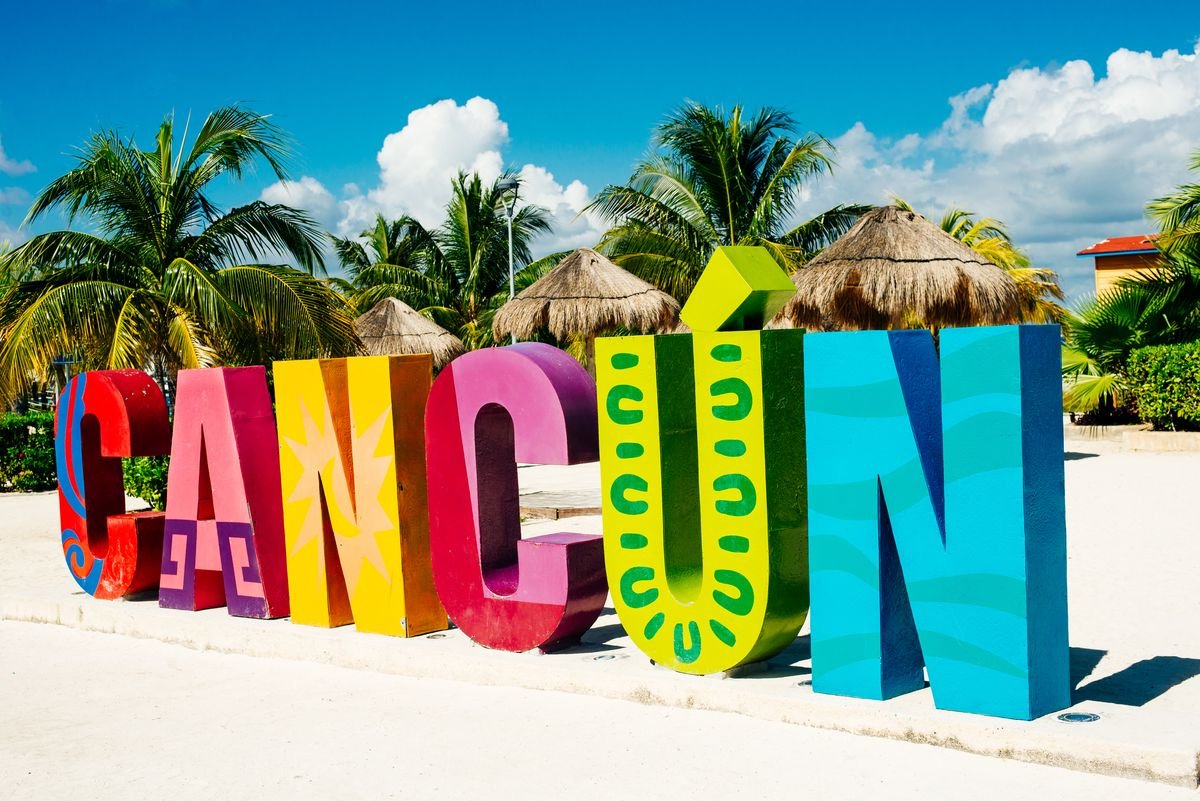
- Playa Delfines (El Mirador): the most famous beach, at km 18, home to the giant colorful “CANCUN” sign and a lookout with open Caribbean views. Wide and free to access, though the surf is stronger here.
- Playa Tortugas (km 6): calm, shallow water, the best pick for families and the departure point for the Isla Mujeres ferry.
- Playa Caracol (km 8.5): sheltered and calm, near Punta Cancun.
- Playa Marlin and Playa Chac Mool: great for a beach day and water sports.
🏖️ Tip: the north-facing beaches (Tortugas, Caracol) have calmer water, while the east-facing ones (Delfines, Marlin) are more open and windier. Traveling with kids? Stick to the north side.
Mayan ruins and museums in the city
You don’t need to leave Cancun for your first taste of Mayan culture. Right inside the Hotel Zone there are archaeological sites many visitors never realize are there.
- El Rey Archaeological Zone (km 18): the largest Mayan site in Cancun, with 47 structures. It reopened after renovations in July 2025 and is famous for its iguanas. Open 8:00 a.m. to 5:00 p.m.; entry is around 75–100 pesos. You can walk it in under an hour.
- Maya Museum of Cancun and San Miguelito: at km 16.5, it holds archaeological pieces from Quintana Roo, with the San Miguelito ruins on the same grounds. Plan about two hours.
- El Meco: a smaller archaeological site north of the city, on the way to Punta Sam.
MUSA: the underwater museum
One of the most original things to do is the Underwater Museum of Art (MUSA), a gallery of more than 500 life-size sculptures sunk off the coast to form an artificial reef. You visit it by snorkeling or diving on tours that leave from Cancun and Isla Mujeres. If you love the ocean, it’s an experience you won’t find at any other beach destination.
Isla Mujeres: the classic day trip
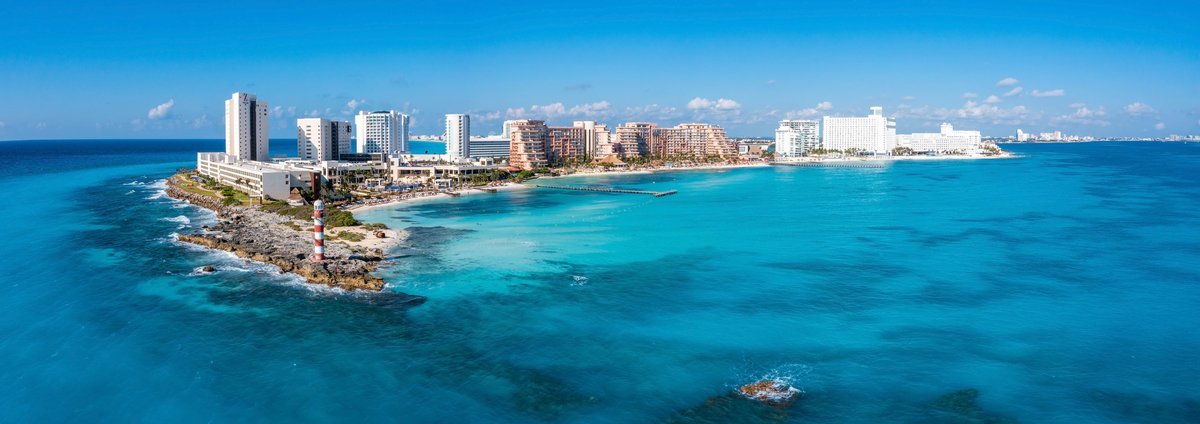
Just a short ferry ride away, Isla Mujeres is the easiest and most popular day trip from Cancun. Its Playa Norte regularly ranks among the best beaches in the country: calm, shallow and impossibly turquoise. You can explore the whole island by golf cart in a day.
The Ultramar ferry leaves from Puerto Juarez roughly every 30 minutes, and the crossing takes 20 to 30 minutes. The 2025 fare is around 290 pesos one way (580 round trip) for adults — worth confirming before you go. There are also departures from the Hotel Zone (Playa Tortugas and Playa Caracol), handier if you’re staying there but less frequent.
⛴️ Tip: if you drive to Puerto Juarez, there are secure paid parking lots by the terminal. Always check the time of the last return ferry so you’re not stranded on the island.
Cenotes near Cancun
Cenotes — natural freshwater sinkholes — are one of the most magical things about the peninsula, and you don’t have to go all the way to Tulum to see them. The Ruta de los Cenotes (Cenote Route) in Puerto Morelos starts about 22–25 miles south of Cancun and packs dozens of them along one road:
- Las Mojarras: huge, open-air, emerald-green water with a jumping platform.
- Siete Bocas: semi-open, with several connected chambers you can swim between.
- Verde Lucero: open to the sky, with a zipline over the water.
- Boca del Puma and Kin-Ha: adventure parks with cenotes plus ziplines, ATVs and activities, great for families.
The Cenote Route has no public transport: you get there with your own car or on a tour. With a car you can string together two or three cenotes in a day and stop wherever you like, which is the whole point. For the full list, see the best cenotes near Cancun.
🚗 Explore on your own schedule: cenotes, ruins and hidden beaches are far from the tourist shuttles. With a car rental in Cancun you reach them all without paying for tours or waiting for buses — with no hidden fees.
Day trips from Cancun
Cancun is a perfect base for exploring the rest of the peninsula. The most popular getaways:
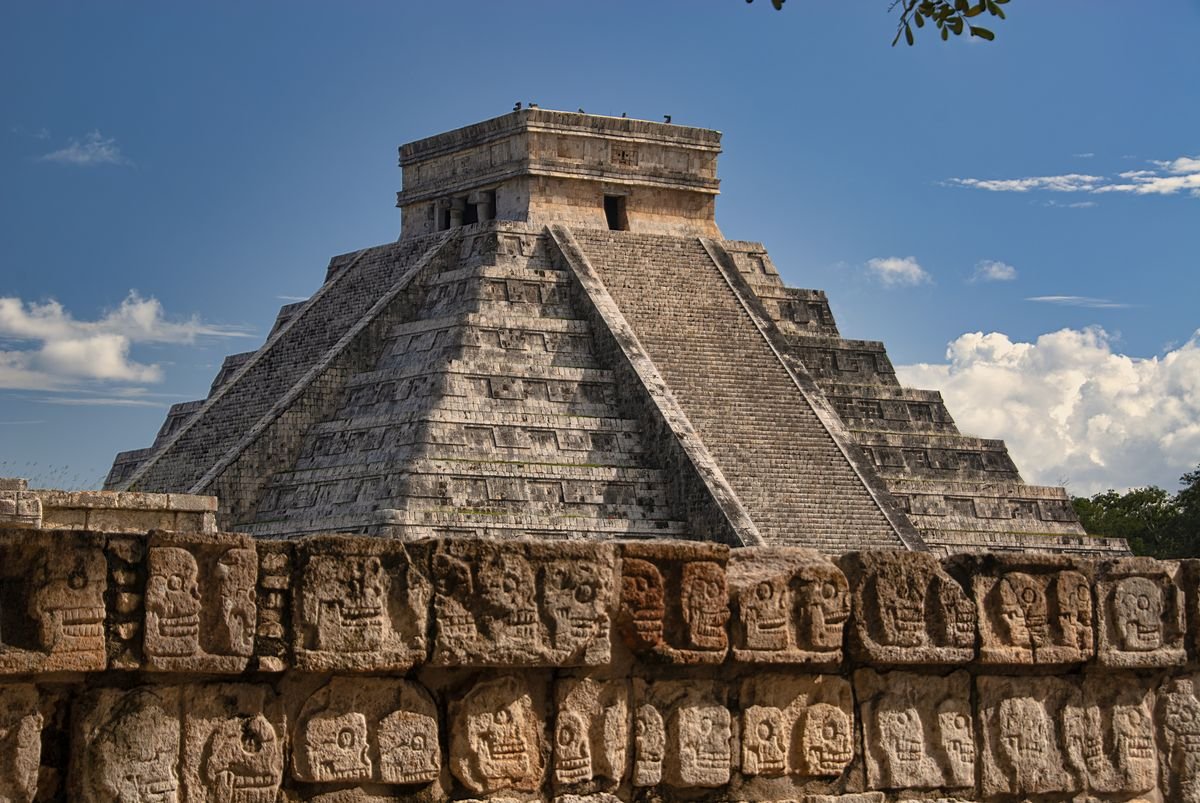
- Chichen Itza (~125 mi, 2.5–3 h): one of the New Seven Wonders of the World. Go early to beat the heat and the crowds; the colonial town of Valladolid is on the way.
- Tulum (~75 mi, 1.5–2 h): the only Mayan city built right on the sea, with ruins on a cliff and a beach below.
- Coba (~110 mi): jungle ruins laced with trails, great to combine with a cenote.
- Valladolid (~100 mi): a colorful colonial town with cenotes right in the city.
Most can be done by tour, but with a car you gain time and freedom — and it usually works out cheaper for a group. Here\u2019s how to visit Chichen Itza from Cancun.
Theme parks
The Riviera Maya is the capital of nature and adventure parks. The best known:
- Xcaret: an eco-archaeological park with an underground river, shows and wildlife; a full-day affair.
- Xel-Ha: a huge natural inlet for snorkeling.
- Xplor: the adventure one, with ziplines and underground rivers.
- Ventura Park: the closest, inside the Hotel Zone, with a water park.
Downtown Cancun: food and local life
To see the Cancun locals actually live, head to Downtown. Market 28 (Mercado 28) is packed with food, crafts and seafood spots at prices well below the Hotel Zone. At night, Parque de las Palapas fills with street-food stalls, marquesitas and families. It’s the best plan for eating well and cheap.
Nightlife
The Hotel Zone is nightlife central: the club strip around km 9 and the iconic Coco Bongo, with its acrobats, live music and impersonator shows. For something mellower, beach clubs serve up sunsets and music without the club pace.
Getting around Cancun
Most travelers arrive through Cancun International Airport, about 12 miles from the Hotel Zone. Once there, the R-1 and R-2 buses run the length of Boulevard Kukulcan day and night for a few pesos — cheap and handy for getting from the beach to the clubs. The catch is leaving the strip. Taxis don’t use meters and charge high flat rates, especially to the airport, the cenotes or the ruins.
That’s why, if your plans include cenotes, ruins or day trips, renting a car is the most comfortable and affordable option — see our Cancun airport car rental guide. It puts the whole Yucatan within reach on your own schedule.
🗓️ Best time to visit: November to April is dry and mild (high season). May to October is hotter and the rainy/hurricane season, but with fewer crowds and better prices.
Frequently asked questions
How many days do you need in Cancun?
With 4 to 5 days you can enjoy the beaches and fit in a couple of day trips (Isla Mujeres plus a cenote or Chichen Itza). To add Tulum and the parks, plan on 7 days.
When is the best time to visit Cancun?
November to April, for the dry, mild weather. July and August are hot and busy with vacationers; September and October are the rainiest but cheapest.
Do I need a car in Cancun?
To get around the Hotel Zone, no — the buses are enough. But for cenotes, ruins and day trips, a rental car is more comfortable and cheaper than taxis or tours, especially for a group.
What can you do in Cancun for free?
Enjoy any beach (they’re all public), the Playa Delfines lookout and Cancun sign, Parque de las Palapas at night and a stroll around Downtown. The bus costs just a few pesos.
Is Cancun safe for tourists?
The tourist areas are safe and heavily patrolled. The usual big-city precautions apply: watch your belongings, use trusted transport and avoid remote areas at night.
👉 Ready for your trip? Build your own route around the Mexican Caribbean without relying on tours or pricey taxis. Book your car rental in Cancun with Veico: all-in rates, unlimited mileage and no hidden fees.


